
In the world of wine, details truly matter. Perhaps you’ve been at a bar, winery, or a gathering with friends, watching a waiter expertly remove the cork, carefully pour the wine decanter, and watch the wine flow slowly into the glass, as if performing a small ritual. Have you ever wondered why wine corks are so particular? More than just a closure, they’re the guardians of a wine’s story, carrying quality and culture.
1. What is cork?
Cork is a natural bottle stopper made from the bark of the Quercus suber tree. This oak grows primarily in the Mediterranean region, particularly Portugal and Spain. Each year, workers carefully remove the bark, but the trees themselves are not cut down—a sustainable harvesting method that is both environmentally friendly and provides habitat for the local ecosystem.
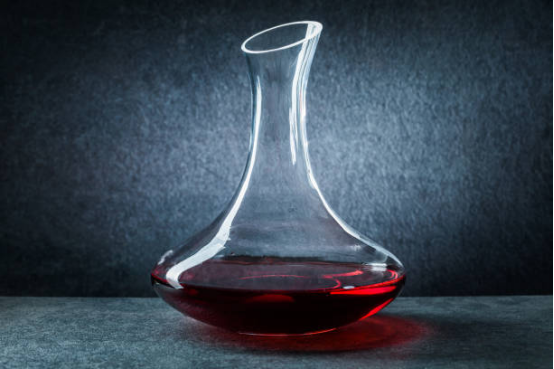
You might not know this, but the magic of cork lies in its microscopic pores. These pores give the cork its elasticity and sealing properties, while also allowing for minimal oxygen exchange within the bottle, helping the wine mature and develop its complex aromas. This subtle oxidation effect is even more pronounced when paired with a wine decanter.
2. The production process of cork
The production of cork is no simple task. First, the bark is peeled, then air-dried, steam-treated, and meticulously cut and polished to create the corks of various sizes. High-quality corks have a smooth surface, uniform pores, and a remarkably reliable seal.
Of course, not every cork is perfect. Low-quality corks may be too porous or poorly sealed, which can easily allow the wine to oxidize and even produce a “cork odor.” Imagine a wine you’ve been waiting for, only to have it suddenly smell musty… well, that’s a shame.
3. Advantages and disadvantages of cork
advantage
- Promote aging: Micro-oxidation properties make the flavor of red wine more complex and the aroma richer.
- Environmentally sustainable: Natural cork does not harm trees, and the cork oak is constantly regenerating.
- Tradition and Culture: The cork symbolizes the traditional spirit of wine and is the logo of many wineries.
shortcoming
- Possible contamination: Some corks can be contaminated by fungi, producing an unpleasant “cork taint.”
- Higher cost: High-quality corks are expensive, which naturally makes the wine slightly more expensive.
- Difficulty in recycling: The recycling rate of cork is limited, and the processing cost is high.
4. Cork alternatives
As technology develops, various alternatives have emerged on the market, such as synthetic corks, screw caps, and glass corks:
- Synthetic cork: Made of plastic, its appearance mimics that of natural cork and is low-cost. However, it has poor air permeability and may affect wine aging.
- Screw cap: Commonly used in Australia and New Zealand, it provides a good seal and preserves freshness. However, some people feel it lacks traditional flavor.
- Glass bottle stopper: such as Vinolok, which has strong sealing and a beautiful appearance but is more expensive.
Although these alternatives have their own advantages, cork is still the first choice for high-end wines because its unique pore structure and cultural value are difficult to replace.
5. The relationship between cork and wine
Corks are more than just seals; they directly impact the flavor and aging of wine. High-quality corks allow for moderate oxidation of the wine, adding complexity and layers to the flavor.
When decanting wine, many winery sommeliers use a wine decanter, slowly pouring the wine from the bottle into a decanter. This not only allows the wine to fully air out but also helps separate any sediment, a particularly effective technique for aged wines. Some even say that wine poured with a wine decanter feels like it’s been “reborn”—its aroma and flavor awakened.
6. How to choose high-quality cork?
When choosing corks, a few tips are helpful:
- Observe the appearance: the surface is smooth, without cracks or defects.
- Smell: Natural cork should have no musty or chemical smell.
- Test elasticity: Press lightly, and you should feel a rebound.
- Understand the source: Choose reliable suppliers to ensure quality and traceability of sources.
7. The environmental significance of cork
The cork oak is not only a source of cork but also a vital component of the ecosystem. Stripping the bark doesn’t kill the tree; instead, it encourages regeneration. It also prevents desertification and provides habitat for birds, insects, and other creatures. Choosing natural cork not only protects the environment but also supports sustainable development.
8. Its Status in Wine Culture
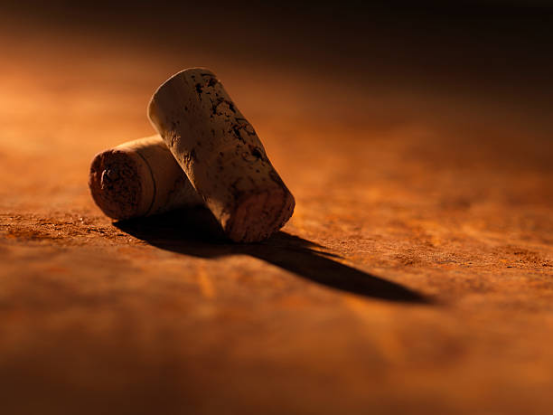
Since ancient Rome, wine has been sealed with corks. Corks are not only a practical tool but also a symbol of culture and history. Every cork pulled is a tribute to wine tradition. For wineries and wine lovers, it symbolizes quality and perseverance, imbuing the drinking process with a sense of ritual.
IX. Conclusion
Wine corks are more than just closures; they carry the history, quality, and culture of wine. Understanding the types of corks, their advantages and disadvantages, and their relationship to wine can help us better appreciate the nuances and flavors of each bottle.
When enjoying wine, consider pairing it with a wine decanter to allow the wine to fully air out and release its purest aroma. Whether enjoying with friends or alone, a high-quality cork and a fine wine decanter will make your wine experience more unique and memorable.