Have you ever noticed how the atmosphere at a high-end restaurant seems to slow down when the sommelier pours wine from the bottle and slowly pours it into an elegant glass dish? That dish is the Wine Decanter. It’s not just decoration; it’s one of the core tools of wine service in upscale restaurants.
Why do high-end restaurants almost never pour wine directly but instead insist on using Wine Decanter? Is it simply to “look sophisticated,” or are there deeper reasons? This article will reveal the secrets behind this practice from three dimensions: professional service, wine flavor optimization, and customer experience.
Table of Contents
The Functions and Restaurant Value of Wine Decanter
Wine Decanter, in essence, is a container that allows wine to come into contact with air. It is usually made of highly transparent glass or crystal, and its wide bottom and narrow neck design allows the wine to fully blend with the air and release its full potential.
In upscale restaurants, the Wine Decanter is more than just a “decanter”; it embodies a professional service philosophy, wine quality optimization, and a sense of ritual in dining, serving as a symbol of the restaurant’s culture and quality.
1. Releases aroma and softens texture
When wine is stored in a bottle for an extended period, the aroma molecules are confined, and the taste may become harsh. Wine Decanter allows the wine to come into contact with air, where oxygen reacts subtly with the wine, releasing aromas while softening tannins and acidity.
For example, a young Cabernet Sauvignon has strong tannins and is slightly astringent. If the sommelier pours it into Wine Decanter and lets it sit at the table for about 40 minutes before pouring it into the glass, you’ll find the palate becomes noticeably rounder, with richer fruit and wood aromas. This change is not only an improvement in taste but also a reflection of the professional service offered by a high-end restaurant.
2. Remove sediment to ensure the wine is clear.
Older vintage wines or unfiltered red wines often have sediment at the bottom of the bottle. Pouring this directly into a glass not only affects the taste but can also spoil the visual appeal. Wine Decanter allows the sediment to remain in the bottle, pouring only the clear wine, which is crucial for enhancing the dining experience and customer satisfaction.
This also reflects the restaurant’s attention to detail—even a tiny bit of sediment is not allowed to affect the customer experience. This “insistence on detail” is often what distinguishes high-end restaurants from ordinary ones.
3. Enhance the sense of ritual and visual experience
The use of a wine decanter is not merely a technical skill but also a form of culinary artistry. As the sommelier elegantly pours the wine, the changing colors are reflected in the clear glass, and the aromas slowly rise. Guests are not only enjoying their drinks but also experiencing a miniature ritual. This sense of ceremony enriches the entire dining experience and leaves a lasting impression on customers.
In high-end restaurants, this experience is considered an important part of the service, which not only enhances the dining experience but also creates an emotional connection with customers.
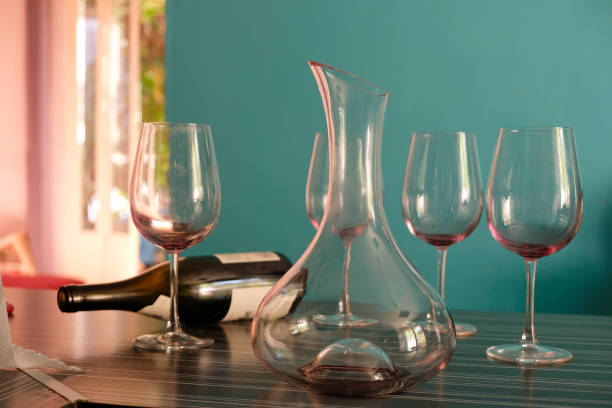
The professional logic behind choosing Wine Decanter for high-end restaurants
High-end restaurants do not use decanters blindly but rather make scientific judgments based on the type of wine, its age, and the pace of the meal.
1. Which wines need to be decanted?
- Young red wine: Strong tannins, requires decanting to soften the palate.
- Older vintage red wines contain sediment, which needs to be separated to ensure the best taste.
- Complex wines release a rich array of aromas.
Light white wines or delicate sparkling wines usually do not require decanting, which reflects the sommelier’s professional judgment and personalized service.
2. Techniques for controlling the sobering time
- Young red wine: 30–60 minutes is sufficient to soften the tannins without losing their vibrancy.
- Older vintage red wines: Adjust the aging time according to the complexity of the wine and the amount of sediment, but avoid excessive oxidation.
Sommeliers in upscale restaurants often adjust the decanting time according to the characteristics of the wine, which is an important manifestation of professional service.
3. The scientific design of decanters
The wide sole and long neck design of the Wine Decanter are not arbitrary:
- Wide bottom: Increases the surface area of the wine in contact with air, accelerating the release of aromas.
- Long neck: Makes pouring easier, avoids splashing, and allows for more precise handling.
- Transparent material: allows you to appreciate the color of the wine and enhances the visual experience.
4. Service details and customer experience
In upscale restaurants, sommeliers not only operate the decanters but also explain the wine’s flavor profile and the decanting process and offer drinking suggestions based on customer preferences. This interactive approach enhances customer engagement, elevating the Wine Decanter’s value beyond a mere “tool” into a service highlight that combines education, entertainment, and experience.
The added value of Wine Decanter
- Enhance the restaurant’s professional image: Significantly improve service levels and restaurant brand value.
- Create a sense of ritual: the process of pouring wine itself becomes a part of the viewing and participation.
- Education and Fun: Let guests learn about wine culture and enhance the fun of the dining experience.
- Create a memorable impression: Customers are more likely to remember the restaurant and return.
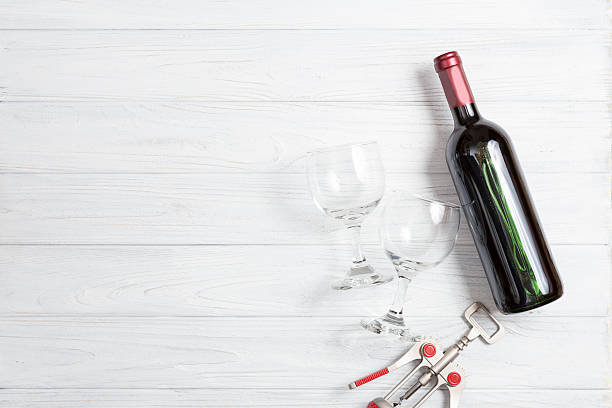
Practical Tips: How to Use Wine Decanter Correctly in a Restaurant
Pouring wine should be done slowly, along the side of the bottle, to avoid creating foam.
- Observe the sediment: When pouring wine, gently rotate the bottle to leave the sediment at the bottom.
- Decanting time control: 30-60 minutes for young wines and a shorter time for older wines.
- Food pairing suggestions: Red wine with beef or cheese and white wine with seafood or salad to create a more harmonious aroma and taste.
These steps may seem minor, but they are important details for high-end restaurants to enhance the service experience and the presentation of their beverages.
FAQ: High-end Restaurants and Wine Decanter
Q1: Do all wines need to be decanted?
A: No. It depends on the type of wine, its age, and its flavor profile.
Q2: Does decanting really improve the quality of wine?
A: Young or tannic red wines can have their taste and aromas significantly improved by decanting.
Q3: Why do high-end restaurants prefer transparent glass decanters?
A: The transparent material can showcase the color of the wine and allow customers to see the aroma release process, enhancing the experience.
Q4: Will decanting cause excessive oxidation of the wine?
A: If done properly, high-end restaurants will precisely control the time to avoid excessive oxidation.
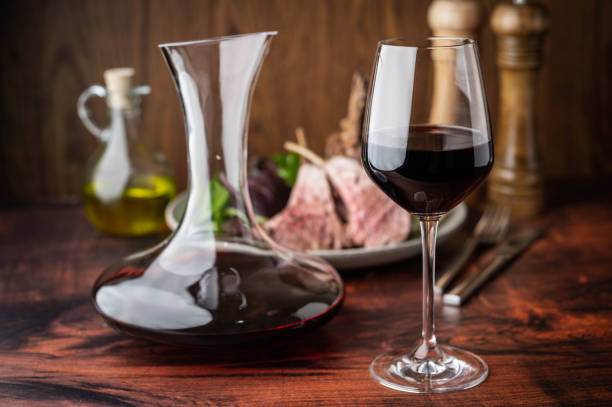
Summarize
High-end restaurants insist on using wine decanters not only to “look upscale,” but also for a deeper professional reason:
- Optimize wine flavor: release aromas, soften the palate, and remove sediment.
- Enhance the dining experience: a holistic enjoyment of sight, smell, and ritual.
- Demonstrating professional service standards: The sommelier’s actions reflect the restaurant’s attention to detail and culture.
- Create unique memories: leave a lasting impression on customers and build brand loyalty.
So next time you see Wine Decanter in a high-end restaurant, don’t just think it looks nice; it embodies a whole set of professional logic, scientific principles, and service philosophy.
Related Posts

My best wine gift: Wine Decanter
- Posted by Alva Edgeworth
Why are young people today becoming obsessed with Wine Decanter?
- Posted by Alva Edgeworth
Why do almost every European household own a Wine Decanter?
- Posted by Alva Edgeworth
The Relationship Between Wine Decanter and Wine Culture
- Posted by Alva Edgeworth