Why are young people today becoming obsessed with Wine Decanter?
In modern social and home life, you may notice an interesting phenomenon: more and more young people are paying attention to wine decanters. Whether it’s at family dinners, friend gatherings, or in photos of table settings shared on social media, decanters seem to have become a symbol of life.
Some might ask, “Isn’t a decanter just for pouring wine? Why are young people suddenly so enthusiastic about it?” In fact, this involves multiple factors, including aesthetic needs, social psychology, consumption upgrades, and cultural identity.
Table of Contents
The historical and cultural significance of Wine Decanter
The Origin and Evolution of Wine Decanter
Wine decanters are not a modern invention; their history dates back hundreds of years to Europe. Early decanters were primarily made of ceramic or metal, their main purpose being to separate wine from sediment in the bottle and allow the wine to come into contact with air to improve its taste. With the development of glassmaking, glass decanters became popular, not only for their practicality but also for their aesthetic appeal.
In European aristocratic families, decanters even became symbols of status and taste: their delicate curves and transparent glass blended seamlessly with the wine, serving as both a drinking tool and a work of art. Modern young people buying decanters are essentially perpetuating this cultural identity—a pursuit of refined living and a sense of ritual.
Cultural Symbols and Lifestyle
Decanters not only enhance the taste of wine but also symbolize a lifestyle. When young people use decanters at social gatherings, they are conveying more than just the act of drinking; they are expressing an attitude of appreciating the details and refined taste of life. It transforms “drinking” from a purely functional act into a ritual of slowing down, a visual enjoyment, and a social symbol.
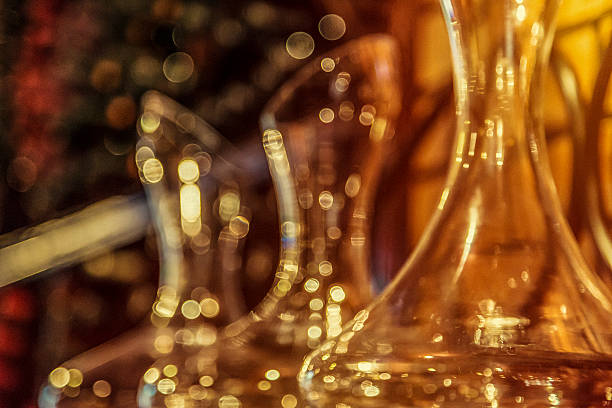
The psychological motivations behind young people’s fascination with Wine Decanter
Driven by a sense of ritual
Modern young people crave a sense of ritual, especially during family gatherings, holiday celebrations, or weekend get-togethers. A decanter offers a visually immersive ritual: pouring, swirling the wine, and letting it sit to release its aromas—a series of actions that feels more ceremonial than simply pouring from the bottle. Psychological research shows that ritual enhances pleasurable experiences, fostering a sense of control and satisfaction in life.
Social symbols and self-expression
In the age of social media, young people are highly sensitive to the display of their lifestyles. A beautifully designed wine decorator can not only produce high-end photos but also become a focal point of discussion on social media platforms like WeChat Moments or short video platforms. As a social symbol, it helps young people express their taste and establish their identity and also brings them interaction and a sense of belonging.
Consumer psychology and lifestyle
Besides aesthetics and social psychology, consumer psychology is also a key factor. Young people are increasingly emphasizing “less is more” and “affordable luxury,” and they are willing to buy decanters to enhance their life experience. This behavior reflects the trend of consumption upgrading: not only pursuing functionality, but also aesthetic value and life experience.
Social media and marketing promotion
Social media played a catalytic role in young people’s fascination with Wine Decanter.
- Strong visual appeal: The decanter itself has a beautiful shape, and the light and shadow effects of the wine and glass are very easy to photograph, becoming a highlight of the visual content;
- purchases.Content marketing helps: Bloggers demonstrate how to use a decanter through short videos, share wine pouring techniques and wine-tasting experiences, and guide their followers to make purchases;
- Popularizing educational content: Through online courses or short videos, young people learn about wine culture and tasting techniques while also increasing their knowledge and interest in decanters.
Thus, Wine Decanter has become more than just a wine accessory; it has become a lifestyle symbol in the age of social media.
Market Trends and Analysis of Young Consumer Groups
Global market growth
According to the latest market research report, the global wine decorator market is maintaining steady growth, with young consumers being the main driving force.
- Combining function and aesthetics: Young people prefer decanters that are both stylish and practical.
- The rise of online sales channels: E-commerce platforms make decanters more easily discovered and purchased by young people.
- Sustainable design: Environmentally friendly materials and reusable and easy-to-clean designs align with the values of young people.
These trends indicate that Wine Decanter is gradually transforming from a professional wine accessory into a mass-market lifestyle product.
China Market Trends
In China, young consumers in first-tier and new first-tier cities are showing a significant increase in demand for quality of life and a sense of ritual. Market data shows that the age structure of wine lovers is trending younger, with young people increasingly willing to buy decanters and placing greater emphasis on design, brand, and social attributes.
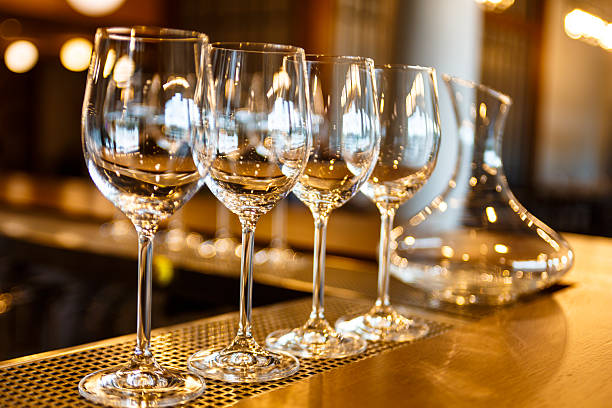
Wine Decanter Usage and Selection Guide
To help you easily enjoy the lifestyle aesthetics offered by Wine Decanter, here is a practical guide:
Purchase Recommendations
- Material selection: Glass or crystal glass, high transparency makes it easy to observe changes in the wine;
- 500 ml-1500 ml,Volume matching: standard 500ml-1500ml, choose according to the number of people drinking;
- Functional design: Features such as filtration, easy-grip handle, and rapid oxygenation enhance the user experience;
- Aesthetics: The shape, curves, weight, and lighting effects influence the visual experience and also serve as a social display point.
Usage Tips
- foam.Pouring action: Slowly pour the wine into the decanter along the side of the bottle to avoid the wine hitting the bottom and creating foam;
- air.Rotate the decanter: Gently rotate the decanter to allow the wine to fully contact the air;
- Decanting time: Decanting time varies depending on the type of wine. Generally, young red wines should be decanted for 30 minutes to 1 hour.
- pairing: TheFood pairing: Wine Decanter pairs well with richly flavored dishes such as red meat, cheese, and chocolate, enhancing the overall taste experience.
These simple steps can elevate your wine experience from simply “drinking” to a full-fledged enjoyment of sight, smell, and taste.
Wine Decanter and Home Aesthetics
Modern young people value the aesthetics of home life, and Wine Decanter perfectly aligns with this trend:
- It can be used as a centerpiece for the dining table to enhance the quality of the space;
- atmosphere.Transparent glass and lighting effects enhance the dining atmosphere;
- A wine cabinet with wood, stone, or metal elements can enhance the overall home design.
- At gatherings with friends, decanters not only enhance the drinking experience but also become a topic of conversation and a highlight for photos.
From this perspective, Wine Decanter has transcended its function as a tool and become an extension of lifestyle aesthetics.
Summary: Multiple factors contributing to young people’s fascination with Wine Decanter
accidental butIn conclusion, the enthusiasm of young people for wine decorators is not accidental, but rather the result of a combination of cultural, psychological, social, and market trends:
- Aesthetics and Ritual: Making drinking a life enjoyment rather than just a simple act;
- Social symbols and media communication: showcasing taste and identity on social media platforms;
- Consumption upgrade and lifestyle pursuit: Young people are willing to pay for a combination of aesthetics and functionality;
- Cultural identity and lifestyle: Slow drinking, light drinking, and cultural exploration make decanters a lifestyle choice;
- Home Aesthetics and Social Experience: Enhance the quality of dining tables and home settings while increasing social interaction.
In the coming years, as young consumers continue to pursue a refined lifestyle and a sense of ritual, the wine decorator market will continue to grow and become an important vehicle for brand marketing and lifestyle shaping.
FAQ: Wine Decanter Frequently Asked Questions
Q1: Do all wines need decanting?
A: Not all wines need decanting. Red wines, especially young Cabernet Sauvignon or Syrah, benefit significantly from decanting; light-bodied white wines or aged wines usually do not require long decanting periods.
Q2: Can a decanter improve the quality of wine?
A: A decanter can help release the aromas of wine more fully and make it smoother, but it’s not a cure-all. More often than not, it enhances the drinking experience and the sense of ritual.
Q3: How to clean Wine Decanter?
A: Rinse with warm water; avoid using strong detergents; the bottom can be cleaned with a special brush to maintain its transparency and shine.
Q4: Is a decanter suitable for everyday drinking?
A: Absolutely. A decanter can enhance the experience and visual appeal of slow drinking, gatherings with friends, or family dinners.
Wine Decanter for yourself?
A: Consider the material, capacity, design, and usage scenario, while also taking into account both aesthetics and functionality.
Related Posts

Why do high-end restaurants insist on using Wine Decanter?
- Posted by Alva Edgeworth
My best wine gift: Wine Decanter
- Posted by Alva Edgeworth
Why do almost every European household own a Wine Decanter?
- Posted by Alva Edgeworth
The Relationship Between Wine Decanter and Wine Culture
- Posted by Alva Edgeworth