
In the world of wine, winemaking techniques are incredibly complex. Red and white wines are each produced in unique ways, reflecting not only the differences in grape varieties but also the winemaker’s philosophy and the diversity of regional cultures. Perhaps you’re just a wine enthusiast who enjoys a sip occasionally, or perhaps you’re considering trying your hand at making your own wine—in either case, understanding these techniques will enhance your wine-tasting experience with greater discernment and depth.
1. Red wine brewing process
Skin contact is the core of red winemaking. By allowing the grape skins to remain in full contact with the juice, red wine acquires its rich color and tannin structure, which is also the key to its aging ability.
1. Grape picking and sorting
High-quality red wine begins with carefully selected grapes. Winemakers typically hand-pick grapes when they are fully ripe, ensuring each grape’s health and flavor. After harvest, the grapes pass through a sorting table to remove any unhealthy fruit or impurities, ensuring the best foundation for winemaking.
2. Destemming and light crushing
mashed Grape stems can add bitterness, so red wines are destemmed before brewing. The grapes are then gently crushed to release the juice, but not mashedto avoid overstimulating the tannins.
3. Fermentation
can cause The crushed grapes enter the fermentation tank, where yeast is added to begin fermentation. During fermentation, the skins and juice come into close contact, allowing pigments and tannins to dissolve into the wine. Temperature control is crucial: too high can damage the aroma, while too low can cause slow and incomplete fermentation.
4. Pressing and lees separation
After fermentation is complete, the wine needs to be separated from the lees. Pressing separates the liquid from the solids, which helps to make the wine clearer while reducing sediment and impurities.
5. Aging
The wine is typically transferred to oak barrels or stainless steel tanks for aging. Oak barrels can impart complex aromas, such as vanilla, smoke, or coffee, while stainless steel tanks preserve purer fruit flavors. Aging time varies depending on the wine, with some requiring several months, while others require several years.
6. Bottling and maturation
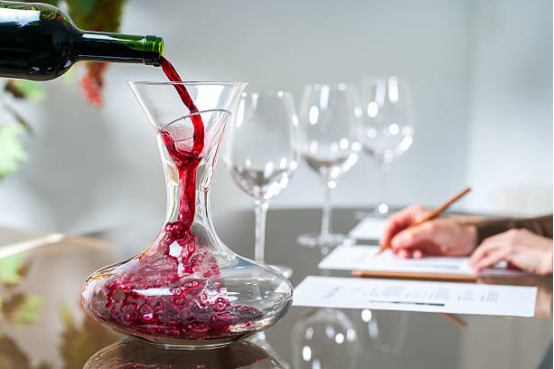
After aging, the wine is bottled. The wine continues to mature in the bottle, softening its tannins and rounding out its flavor. Using a wine decanter before pouring it into a glass will enhance the aroma and the drinking experience.
2. White wine brewing process
The focus of white wine production is to retain fresh fruity aromas, which is completely different from red wine. Most white wines do not require long-term skin contact during the brewing process, resulting in a clear color and light taste.
1. Grape picking and sorting
Likewise, high-quality white wine begins with ripe grapes, which are picked to ensure the acidity and freshness of the fruit, which directly affects the taste and shelf life of the wine.
2. Pressing and peeling
crushed but White wine is usually not destemmed or crushed but directly pressed to separate the clear juice. The skin removal process prevents excessive pigment from entering the wine, keeping the wine crystal clear.
3. Clarity and Sedimentation
The juice after squeezing may contain suspended matter, which needs to be left to settle or cooled to make the wine clearer and smoother.
4. Fermentation
The clear juice enters the fermentation tank, and yeast is added. The temperature is usually kept low (12-18°C) to preserve the fresh fruit aroma and refreshing body of the wine.
5. Aging
Most baijiu is aged in stainless steel tanks to retain its fresh fruity aroma; some styles are aged in oak barrels to make the taste more complex and add vanilla or nutty flavors.
6. Bottling and maturation
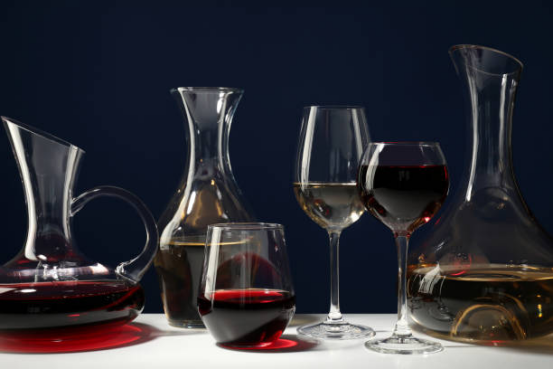
Baijiu can continue to mature after bottling, but most are best enjoyed young. Using a wine decanter can slightly enhance the aroma and round out the flavor, even for baijiu.
3. Key Differences in Red and White Winemaking
| project | red wine | White wine |
| Grape processing | Destemming, crushing, and skin contact fermentation | Pressing, peeling, and clear juice fermentation |
| Fermentation temperature | Higher (25-30°C) | Low (12-18°C) |
| Aging container | Oak barrels or stainless steel tanks | Stainless steel tanks or oak barrels |
| Flavor characteristics | Rich in tannins, strong structure and great aging potential | Fresh fruity aroma and soft taste |
| Best drinking period | The flavor improves with aging | Best consumed young |
4. Tips for Winemakers
- High-quality grapes are the most important: whether it is red wine or white wine, the raw materials determine the flavor.
- The fermentation temperature must be controlled: too high or too low a temperature will affect the aroma and body of the wine.
- Pressing time: Pressing too early or too late will change the flavor structure.
- Aging management: The choice of container and the length of time determine the style of the wine.
- Hygiene cannot be neglected: any contamination can ruin the wine.
Imagine pouring freshly bottled red wine with a wine decanter, gently shaking the wine, and the aroma hits you in the face—this is the moment when craftsmanship and ritual are combined.
5. Home Brewing Suggestions
If you’re considering homebrewing, it’s recommended to start small and learn slowly. Choose grapes suited to your climate, use clean equipment, and control the fermentation and aging environment. Don’t forget to maintain proper hygiene, which is crucial not only for taste but also for safety.
VI. Conclusion
Red wine and white wine each have their own unique strengths. Understanding their production processes not only enhances your tasting experience but also allows you to appreciate the craftsmanship and culture behind each bottle. Next time you pour a glass of wine, whether red or white, use a wine decanter to fully unleash its aroma and truly savor the wine’s allure.