How Oak Barrels Affect Wine: The Secrets of Flavor, Texture, and Aging Potency

In the winemaking process, oak barrels serve as far more than just a storage vessel. They act as an invisible flavorist, not only imparting unique flavor and aroma to wine but also influencing its structure and aging potential. Whether it’s the richness of red wine or the refinement of white wine, oak barrels quietly play a vital role behind the scenes. And during the tasting process, using a wine decanter can further unlock the aromas imparted by the oak barrels, making each sip more rounded and complex.
1. The influence of oak barrels on wine flavor
1. Flavor compounds imparted by oak barrels
Oak itself is rich in compounds like vanillin, vanillolactone, and coumarin. During the toasting process, these compounds are released into the wine, imparting rich flavors like vanilla, caramel, spice, and smoke. Gently swirl the glass, and the aromas will burst forth—this is the magic of oak barrel seasoning.
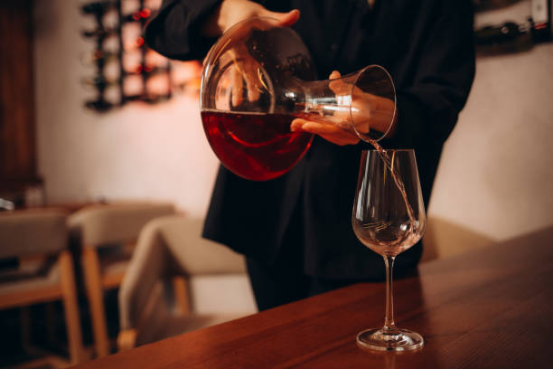
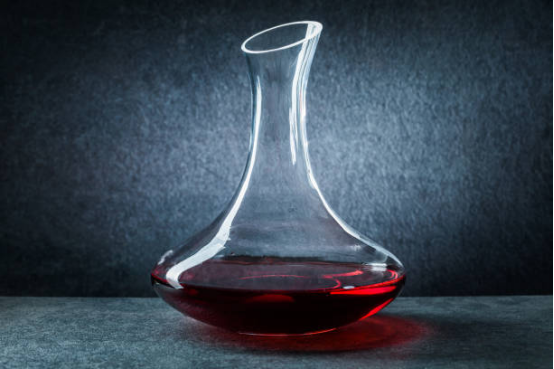
When tasting, using a wine decanter to decant the wine will not only accelerate the release of aroma but also allow these flavors to better blend with the wine body, especially for red wine brewed in new barrels.
2. Flavor differences between new and old barrels
New oak barrels are richer in flavor compounds, so their impact on wine is quite noticeable. For example, American oak barrels often impart sweet aromas of coconut and vanilla, while French oak barrels impart more delicate spices and a slight smoky flavor (Food & Wine).
As the barrel is used more and more, the flavor substances are gradually carried away by the wine, and the oak barrel will eventually become a “neutral barrel.” At this time, its main function has shifted from imparting flavor to micro-oxidation, making the wine more stable without significantly changing the flavor.
2. The impact of oak barrels on wine texture and taste
1. The role of tannins
Oak contains natural tannins, which, when combined with tannins in wine, form more stable polymers. This not only reduces astringency but also adds structure and roundness to the wine.
Especially for high-tannin varieties like Cabernet Sauvignon, oak barrel conditioning can soften the harsh tannins. At this point, if you pour the wine into a wine decanter to gently decant it, it can further allow the tannins in the wine to fully come into contact with oxygen, making the taste more rounded and layered.
2. Micro-oxidation
The micropores of oak barrel wood allow very small amounts of oxygen to slowly penetrate. This micro-oxygenation helps transform phenolics, making the wine rounder and more harmonious in flavor.
By using a wine decanter, this oxidation process will simulate the effect of oak barrels in a short period of time, allowing the wine to release more flavor in a short period of time, making the tasting experience richer.
The impact of oak barrels on wine aging potential
1. Delay oxidation
The micro-oxidation of oak barrels not only enhances flavor integration but also slows down oxidation, making the wine more stable during bottle aging. When using a wine decanter, gentle oxidation allows the aroma and structure of the wine to emerge earlier, resulting in a more rounded and mature drinking experience.
2. Improve aging potential
The tannins in oak barrels combine with the tannins in the wine, enhancing the wine’s structure and antioxidant capacity, thereby improving its aging potential. Many top red wines, such as Cabernet Sauvignon from Bordeaux and Napa Valley, rely on oak barrels for long-term aging.
4. Types and Selection of Oak Barrels
1. French oak barrels
French oak barrels are usually Quercus robur or Quercus petraea, which have tight wood grain and solid structure, giving the wine delicate spice and smoky flavors, making them very suitable for aging high-end red wines.
2. American oak barrels
American oak barrels are mainly Quercus alba, which has loose wood grain and loose structure, and often brings sweet flavors such as vanilla and coconut, which is very suitable for varieties such as Cabernet Sauvignon and Zinfandel.
3. Hungarian oak barrels
Hungarian oak barrels have a grain that’s somewhere between French and American oak, imparting a unique aroma and flavor. Some winemakers blend them with French oak to enhance the flavor. A wine decanter can enhance the richness of this blend.
5. Use and maintenance of oak barrels
1. Combination of new and old barrels
New barrels are expensive and are used for high-end wines. With age, the barrel’s flavor gradually weakens, becoming a “neutral barrel,” primarily providing oxygen exchange. Many winemakers use a combination of new and used barrels to balance flavor intensity and complexity.
2. Barrel maintenance and replacement
Oak barrels require regular inspection and maintenance to ensure their seals and structural integrity. They typically last 5 to 10 years, requiring replacement. When replacing barrels, winemakers will select the appropriate oak type and degree of toasting based on the characteristics of the wine to maintain the desired flavor.
VI. Summary
Oak barrels play an irreplaceable role in winemaking. They not only impart aroma and flavor to wine but also, through micro-oxygenation, enhance its structure and aging potential. The rich flavors of new barrels, the micro-oxygenation of older barrels, and the unique aromas of oak from different origins all contribute to the wine’s complexity.
At the same time, using a wine decanter can fully release the aroma and structure imparted by the oak barrel, making each sip of wine more rounded and rich. Understanding the impact of oak barrels and proper decanting techniques can help wine lovers better appreciate the complexity and layered qualities of a wine.