What’s the difference between cheap wine and expensive wine? —Taste the secret behind the price

In the world of wine, price always seems to equate to quality, but is this really the case? Beyond the number on the label, what truly distinguishes a cheap bottle of wine from an expensive one? While there’s no definitive answer, by examining the grape sourcing, winemaking techniques, wine structure, aging potential, and consumer experience, we can gain a clearer understanding of the delicate relationship between price and quality. You might even find that slowly decanting a bottle with a wine decanter and experiencing the differences between wines is a truly enjoyable ritual.
1. Grape Sources and Harvesting Methods: The Subtle Difference Between Mechanized and Hand-Selected Grapes
Cheap wines are often harvested mechanically, which is efficient and produces large yields, but it also means that some grapes may be harvested before they are fully ripe. While this method saves costs, the uneven flavor of the grapes can also make the wine seem a bit thin.
Expensive wines rely more heavily on hand-harvesting, with winemakers individually selecting grapes at the perfect level of ripeness. This meticulous selection not only ensures a balanced sugar and acidity level but also maximizes the preservation of the grapes’ inherent flavor. As a result, a bottle of expensive wine often boasts a richer, more complex flavor and aroma than a cheaper counterpart.
By the way, if you use a wine decanter to decant the wine , you will find it easier to smell the delicate fruit and spice aromas in expensive wines, an experience that is difficult to achieve with cheap wines.
2. Brewing process: the difference between simplified process and refined craftsmanship
The production of cheap wines often prioritizes efficiency, with modern equipment and rapid fermentation techniques significantly reducing costs. While the resulting wines are suitable for everyday drinking, they can be somewhat bland in terms of complexity and aroma.
Expensive wines emphasize traditional techniques such as oak barrel aging, natural fermentation, and regular barrel stirring. While these processes are time-consuming and labor-intensive, they significantly enhance the wine’s body and flavor complexity. Oak barrel aging also introduces subtle aromas like vanilla, caramel, and smoke, making the wine a multifaceted journey.
When using a wine decanter to decant the wine, these subtle aromas will be released . You may be surprised to find that the aroma of an expensive wine is more three-dimensional, more varied, and easier to immerse yourself in than that of a cheap wine.
3. Wine Structure and Flavor Levels: Simple vs. Complex
Cheap wines are usually straightforward, with a smooth, fruity flavor that suits the taste of many and pairs well with food. They may be instantly enjoyable, but they often lack a layered, memorable experience.
Expensive wines emphasize structure, with each sip offering a balanced and layered experience of acidity, sweetness, and astringency. Flavors can include ripe fruit, spice, oak, and even earthy notes, offering a glimpse into the winemaker’s craftsmanship with every sip.
If you use a wine decanter to decant expensive wines and allow them to fully air out, these layered flavors will become more pronounced. In contrast, cheaper wines often show limited changes after decanting, and their aromas are not as rich.
IV. Aging Potential: Short-Term Enjoyment vs. Long-Term Collection
Most cheap wines are designed for short-term drinking, peaking within a few months to a year, and lack the potential for long-term aging. Over time, the flavor may fade and the wine may lose its balance.
Expensive wines, on the other hand, have great aging potential. The micro-oxygenation caused by oak barrel aging, combined with the stabilization of the wine’s natural tannins, allows the wine to mature slowly in the bottle. Over years, even decades, the taste develops a rounder, more complex, and more integrated flavor profile, making it an ideal choice for both collectors and celebratory occasions.
When enjoying expensive wine, using a wine decanter not only releases the aroma but also makes the wine smoother, giving you a taste of how it will change over the next few years.
5. Brand and Origin: The Value of Fame and Scarcity
High-priced wines are often backed by well-known brands and high-quality production areas, such as Bordeaux, Napa Valley, Burgundy, etc. The scarcity and reputation of these production areas will naturally be reflected in the price.
However, this doesn’t mean that cheap wine lacks quality. Some regions produce wines that offer exceptional value, offering a delightful taste and flavor experience despite being affordable. The key is to choose based on your taste, occasion, and budget, rather than simply focusing on price.
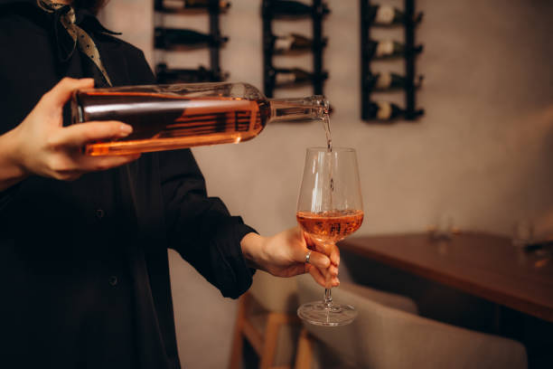
6. Consumer Experience: Not Just Taste, But Culture and Ritual
Cheap wines focus more on satisfying everyday drinking needs, offering a direct, convenient, and approachable experience. Expensive wines, on the other hand, combine experience and culture. They are not only a taste pleasure, but also a status symbol and a sense of ritual in life.
For example, using a wine decanter to slowly decant, observing the wine’s color changes in the glass , smelling it, and tasting it—each step allows you to get closer to the story behind the wine and the winemaker’s intentions. Expensive wines gain depth through this ritual, while cheaper ones may appear relatively simple.
7. Summary: The relative relationship behind prices
Price is often correlated with a wine’s complexity, aromatic depth, aging potential, and brand value, but it’s not the only criterion for measuring quality. The key is to find a wine that suits your taste and needs.
If you’re looking to experience richer aromas and flavors, or if you’re looking for a collector’s item or a ceremonial experience, pairing an expensive wine with a wine decanter is ideal. For everyday drinks or pairings with meals, a more affordable wine can also satisfy your needs while saving you money.
Most importantly, you can cultivate your taste for wine by trying different wines at different price points. Whether it’s cheap or expensive, each one has its own unique charm. As long as you savor it carefully, you can find the one that belongs to you.