
In the world of wine, pairing seafood with wine is considered a delicate art. Sometimes, the right glass of wine can instantly elevate an ordinary seafood meal to a whole new level, while the wrong pairing can significantly diminish the flavor experience. Faced with a dazzling array of wines, have you ever been undecided: which wine is best paired with seafood? This article will answer this question from multiple perspectives, along with some practical tips for using a wine decanter, ensuring every bite of seafood is perfectly blended with the aromas of the wine.
1. The Diversity of Seafood and the Challenges of Wine Pairing
There are many different types of seafood, from fresh oysters and sweet lobster to delicate white fish and rich shellfish, each with its own unique flavor and texture. Because of this, the choice of wine is not fixed and needs to be flexible according to the ingredients and cooking methods.
Seafood generally has a relatively light flavor and delicate texture, so wines should be chosen to complement its flavors rather than overpower them. Furthermore, the cooking method can significantly influence pairing options—steamed, boiled, grilled, and fried—each offers distinct flavor profiles. For example, steamed or boiled seafood is well-suited to a light, refreshing white wine, while grilled or richly sauced seafood may require a more complex wine.
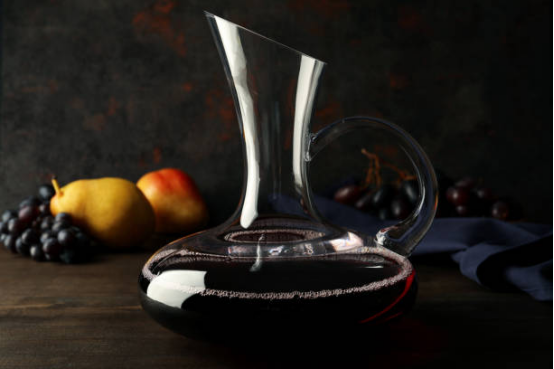
Furthermore, if you have the opportunity to use a wine decanter, even with the same wine, the flavor and aroma will blend better with seafood after proper decanting. This is a small trick that many wine lovers often overlook, but it can significantly enhance the dining experience.
2. White wine: the classic companion to seafood
White wine is almost a safe bet for seafood. Its refreshing acidity, light taste, and fruity aromas make it a perfect match for most seafood. The following are classic choices:
1. Sauvignon Blanc
Sauvignon Blanc, renowned for its high acidity and citrus notes, pairs well with shellfish like oysters and mussels. Its refreshing flavor counteracts the salty, fresh flavor of the shellfish, creating a pleasant balance. Gently decanting the wine in a wine decanter for a few minutes will enhance the aromas, making every bite of oysters as refreshing as savoring morning dew by the sea.
2. Chardonnay
Chardonnay is a versatile white wine. Unoaked Chardonnays are refreshing and fruity, perfect with steamed or poached seafood, such as steamed lobster or crab. Oaked Chardonnays, on the other hand, can develop creamy, nutty, and even slightly smoky flavors, making them ideal with grilled or creamy seafood dishes, such as grilled scallops or lobster au gratin.
In actual dining, I personally like to use a wine decanter to decant the wine for 10 to 15 minutes after opening the bottle. This way, the aroma of the Chardonnay will be more balanced and the taste will be smoother, which is especially good when paired with creamy lobster.
3. Riesling
Known for its aromatic and sweet flavors, Riesling is an ideal partner for spicy seafood. For example, Thai-style stir-fried clams or Sichuan-style spicy crayfish offer a spiciness that contrasts beautifully with the sweetness and fruitiness of Riesling, adding a richer and more complex experience.
3. Sparkling wine: add a celebratory touch to seafood
Sparkling wines, such as Champagne and Prosecco, are not only perfect for celebratory occasions but also pair perfectly with seafood. The lightness of the bubbles and high acidity enhance the freshness of seafood. Champagne is a classic pairing with premium seafood like oysters, lobster, and scallops. With just one sip, the wine’s bubbles intertwine with the fresh flavors of the seafood, creating a dance of flavors on the tongue.
A brief decanting or gentle shaking of a wine decanter before a meal can unlock the richer layers of champagne and add a touch of ceremony to the dining experience. Even a simple lunch can be instantly elevated with a light sparkling wine.
4. Red wine: There are also unexpected surprises
We usually don’t pair red wine with seafood because the tannins and rich taste of red wine may mask the delicateness of seafood. However, for grilled or strong-flavored seafood, such as baked cod and stewed seafood, light red wine can bring a wonderful experience.
For example, Pinot Noir and Gamay are both relatively soft-structured red wines with light tannins. Gently decanting a red wine and pairing it with grilled sea bass or stewed lobster creates a surprisingly harmonious palate. If you want to enhance the aroma of a red wine, using a wine decanter is highly recommended.
5. Practical tips for matching
- Choose wine based on cooking method: White wine is preferred for steamed seafood, while complex white wine or light red wine can be tried for grilled seafood or seafood with rich sauce.
- Consider seasoning: Spicy or strong-flavored seafood is best matched with a white wine with a hint of sweetness, such as Riesling.
- Experiment with different combinations: Everyone has different tastes, so try combinations like Champagne, Chardonnay, or Pinot Noir to find the perfect match.
Tips for decanting: Using a wine decanter can fully release the aroma and make the taste smoother. Whether it is white wine, red wine, or champagne, it can make seafood pairings even better.
VI. Summary
Pairing seafood with wine is an art form filled with joy and discovery. Understanding the flavor profiles of different wines, the textures of seafood, and utilizing wine decanter techniques will help you create the perfect seafood feast.
Whether it’s a classic white wine, a celebratory sparkling, or a red for the occasional adventure, each can add flavor and interest to your table. The key is to experiment and find the pairing that best suits your taste. At your next seafood gathering, why not be bold and enjoy the wonderful intertwining of wine and seafood?