A guide to pairing Peking duck with wine: breaking with conventional wisdom and unlocking new flavor resonances

Peking duck, a classic dish originating from the Ming Dynasty court, has become a globally renowned symbol of Chinese cuisine. Crispy golden skin and juicy, tender duck meat are paired with a wafer-thin flatbread, refreshing cucumber and scallions, and dipped in a sweet and savory hoisin sauce or a thick layer of sugar. Each bite reveals a vibrant blend of rich fat, rich sauce, and fresh vegetables.
However, when paired with such a complex dish, simply picking any Pinot Noir isn’t enough. With evolving tasting concepts, more hidden gems are waiting to be discovered. Of course, using a wine decanter to aerate the wine allows it to fully release its aromas, resulting in a more complete experience.
The Flavor Code of Peking Duck: The Core Logic of Wine Pairing
To find the perfect pairing, we first need to break down the flavor structure of roast duck. Its core contradiction lies in the balance between “richness and freshness”:
The duck skin is rich in fat, giving it a crispy and fragrant texture;
aroma. The duck meat is tender and juicy, with a mild meaty aroma.
salty, The sweet, salty, and fresh taste of seafood sauce, the pure sweetness of white sugar, and the refreshing and slightly spicy taste of shredded cucumber and green onion together create a multi-layered taste experience.
The key to wine pairing can be summarized in three points:
- Acidity: Sufficient acidity can cut oil and relieve greasiness;
- Flavor intensity: It can support the richness of the sauce without covering up the tenderness of the duck meat;
- Sweetness: It should be moderate, complementing the sweetness of the sauce rather than conflicting with it.
Traditionally, Pinot Noir seems to be the universal choice. It has delicate fruit aromas, soft tannins, and a medium body. However, when faced with rich sauces and heavy fats, its linear flavor structure sometimes seems inadequate—which gives more wines the opportunity to shine.
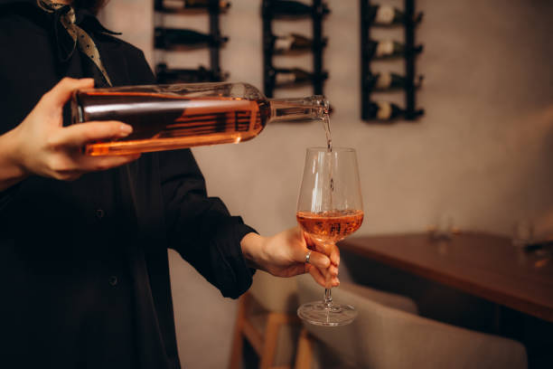
Breaking the mold: hidden gems and wine pairing recommendations
White wine of choice: Late Harvest Riesling
Wine: Jennifer Docherty, a veteran Master of Wine and the first Chinese-born Chinese-speaking Master of
Wine: prefers a late-harvest Riesling. The wine’s subtlety lies in its perfect acidity, which easily cuts through the greasy duck skin. A touch of residual sugar perfectly complements the sweetness and savory flavors of the hoisin sauce, creating a balanced “sweet without being cloying, acid without being sharp.” The wine often exhibits aromas of citrus, white peach, and honey, complementing the tenderness of the duck meat, making every sip refreshing and juicy.
Using a wine decanter can better release these layers of flavor and let the aroma hit you. Even white wine can form a surprising harmony with the strong flavor of roast duck.
New Red Wine Pick: Smooth Syrah
If you prefer red wine, don’t be too obsessed with Pinot Noir. Jennifer Docherty recommends a mature Clare Valley Shiraz or Crozes-Hermitage Shiraz.
This type of Syrah:
- meat. The tannins are fine and the acidity is mild, which does not mask the tenderness of the duck meat.
- Black fruit aromas (black cherry, plum) echo the richness of the sauce;
- The subtle peppery spice adds depth and gives the rich duck meat a dry and crisp finish.
Gentle yet powerful, it preserves the wine’s personality without overpowering the flavors of the dish.
Chinese wine: a tacit resonance of local flavors
Chinese wines, which have emerged in recent years, offer unique advantages when paired with roast duck. Merlot, Syrah, or Malbec from regions like Ningxia and Xinjiang offer rich fruit flavors with minimal oak notes. These fruity notes complement the plum flavors of hoisin sauce, while the soft tannins don’t overpower the tenderness of the duck.
skin but Even more surprising is the ice wine produced in Huanren, Liaoning Province. It has a small output and a complex flavor. After being refrigerated, its mellow sweetness is combined with refreshing acidity, which not only neutralizes the fat in the duck skin but also enhances the delicacy of the overall flavor, allowing traditional dishes and local fine wines to collide to create an unforgettable taste experience.
Wine pairing tips: Enhance the flavor
- Avoid pitfalls when choosing wine: avoid red wines with heavy tannins or strong oak flavor (such as heavy Cabernet Sauvignon), which easily combine with oil to create a greasy feeling; sweet wines need to control the sweetness to avoid overlapping with sauces.
- Serving temperature: White wine and ice wine are recommended to be refrigerated to 8-12℃, which will make the acidity more vivid and relieve greasiness better; red wine can be served at 16-18℃, which will fully release the fruit aroma and soften the tannins.
- Pairing order: First, taste the duck skin dipped in sugar, and pair it with a white wine with bright acidity to highlight the crispy and sweet aroma; then pair it with the wraps, and choose a rich-flavored red wine or Chinese wine to cope with the complex taste.
There’s no single answer to pairing Peking duck with wine. Whether it’s a groundbreaking late-harvest Riesling, a smooth, full-bodied Shiraz, or a rich, local Chinese wine, each fine wine can awaken the duck’s diverse flavors. Next time you enjoy it, try these adventurous pairings, allowing your palate to experience a unique culinary resonance between tradition and innovation—and a carefully decanted wine decanter will enhance the experience.