
As you pick up an elegant wine decanter and slowly pour the wine into your glass, a burst of aroma fills the air. You might wonder, “Is this wine acidic?” In fact, acidity is the most fundamental and crucial element in winemaking. It not only determines the wine’s taste but also influences its overall balance and food pairing. Mastering the secrets of acidity will instantly elevate your wine-tasting experience.
Table of Contents
1. What exactly is acidity?
What is acidity?
“Acidity” is a collective term for various acidic substances in wine, such as tartaric acid, malic acid, and citric acid. It gives the wine a subtle tightening sensation in the mouth, increases saliva production, and leaves the mouth feeling refreshed.
You can think of it as a “saliva awakener” for wine. When you drink it, the tip of your tongue is gently lifted, and your mouth feels as if it has elasticity. This experience makes the wine feel lively and vibrant.
Why is acidity important?
- Vibrancy and freshness: Wines with higher acidity taste crisper and have more pronounced fruit and floral aromas.
- Structure and aging potential: Wines with good acidity are more suitable for aging, and their taste will become softer and more complex over time.
- Food pairing: Acidity can cut through greasiness, leaving the mouth feeling refreshed and enhancing the overall dining experience.
Acidity is not simply “sour”; it is the core of the wine’s structure and the element that makes you want to take another sip.
2. Sources of acidity
grapes themselves
As grapes ripen, their sugar content increases and their acidity gradually decreases. Grapes from cooler climates that ripen slowly typically have higher acidity, while those from warmer regions have lower acidity.
Brewing process
- Malic acid to lactic acid (MLF): can reduce sharp acidity and make the taste smoother.
- Acidity addition: Some winemakers will add tartaric acid or citric acid to adjust the acidity.
Environmental factors
Soil, sunshine, and rainfall all affect grape acidity. For example, the acidity of the same grape variety can vary significantly in different producing regions.
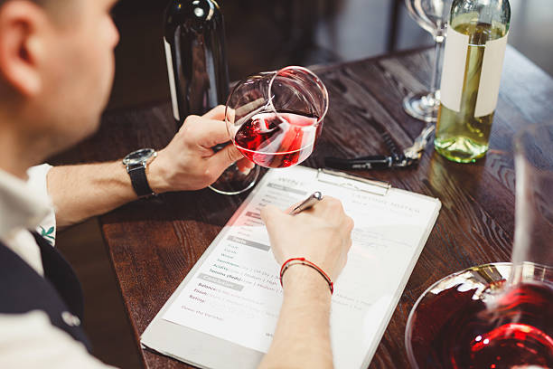
3. How does a wine decanter affect the perception of acidity?
The moment you notice the acidity
After pouring into the wine decanter, the wine comes into contact with the air, and the aromas are gradually released. You will notice subtle changes on your tongue and in your mouth—the acidity begins to emerge. At first taste, you may feel a slight tingling sensation, but after a few minutes of resting, this acidity will blend harmoniously with the body of the wine.
The effect of decanters on acidity
- Decanters don’t reduce chemical acidity, but they can alter your perception:
- A wide-mouthed decanter allows oxygen to enter, making the acidity appear smoother;
- Young white wines become more rounded in acidity, and their fruit and floral aromas become more prominent after being decanted.
- For wines with medium or low acidity, short decanting times can help maintain their lively acidity.
4. The effects of excessively high or low acidity
High acidity
- The mouth was pulled up, and saliva secretion was obvious.
- The fruity aroma may be suppressed by acidity;
- When pairing food with wine, if the food is also acidic or strong-flavored, it will make the wine sound sharp.
Too low acidity
- The wine is bland and lacks vibrancy.
- It lacks oral elasticity, and the fruity and floral aromas are not prominent.
- It pairs well with desserts or fatty foods to enhance overall balance.
The regulatory effect of wine decanter
Using a wine decanter allows the wine to stand still, which helps to better balance the acidity and other elements (fruitiness, tannins, sweetness).
- Young, high-acidity wines: Let stand for 10-30 minutes.
- Medium-acidity wine: 15-30 minutes
- Mature wines: short time or just settling
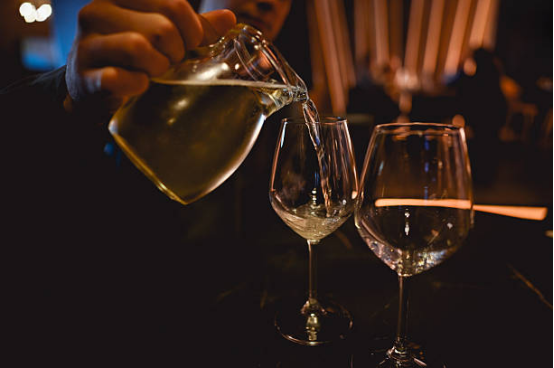
5. Practical Guide to Sobering Up
Wine type and decanting time
- High-acidity spirits, such as New Zealand Sauvignon Blanc, can be left to stand for 5-10 minutes.
- Medium-acidity red wines, such as Sangiovese, should be left to stand for 20-30 minutes to balance the acidity and tannins.
- Aged red wine: Decant for 10-15 minutes to prevent the aroma from dissipating.
Temperature Recommendation
- White wine: 8-12 ℃, with clear acidity.
- Red wine: 16-18 ℃, with mild acidity.
Meal pairing
- Wines with high acidity: Pair well with oily or salty dishes, such as grilled fish and cheese.
- Medium acidity: suitable for moderately flavored meats or spiced dishes.
- Low acidity: Desserts or sweet foods can boost energy.
6. Common Misconceptions
- Is higher acidity always better? Wrong. A good wine is one where acidity is balanced with other elements.
- Does a wine decanter reduce acidity? Incorrect. Wine decanter only alters perception.
- Is it true that baijiu has low acidity? Incorrect. In many cold climates, baijiu has very high acidity.
7. Conclusion: Let wine decanters and acidity be the secrets of wine tasting.
Acidity is the soul of wine, and the wine decanter is the tool to awaken it. Pouring, letting it sit, and sipping—every step is an interaction with acidity. Mastering acidity allows you to better enjoy the wine’s vibrancy, fruitiness, and complex flavors.
The next time you use a wine decanter, pay attention to the acidity on your tongue, saliva production, and aroma release. You’ll find that the acidity of wine is not just “sour,” but rather a rhythm and layering of flavors.