The difference between red wine glasses and white wine glasses: the wine tasting experience starts with the glass shape

In the world of wine, a wine glass is more than just a container; it’s an integral part of the tasting experience. Imagine the same wine served in different glasses. The aroma, taste, and even the emotion can all subtly change. That’s why the differences between red and white wine glasses are so worth exploring.
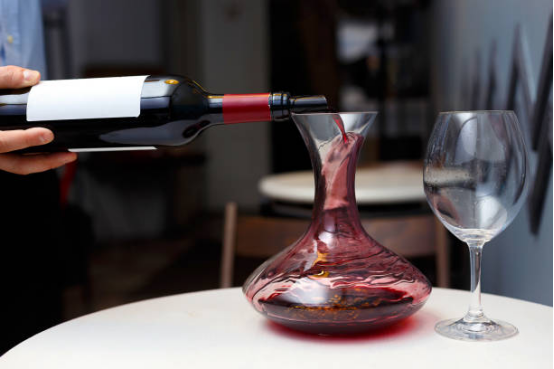
In addition to the wine glass itself, decanters like wine decanters are also important tools to enhance the wine-tasting experience. They allow the wine to fully “breathe” and release richer aromas. Paired with the right wine glass, they can elevate wine tasting to a higher level.
Understanding their differences can not only help you choose wine glasses more accurately but also give you a sense of ritual every time you pour wine.
1. Basic principles of wine glass design
Designing a wine glass is about more than just aesthetics. Two factors are crucial: the area of contact between the wine and air (the wine’s “breathing” process) and how the wine flows onto the tongue. These two factors determine the release of aromas and the taste experience.
Therefore, choosing the right wine glass, paired with a quality wine decanter, can maximize the aroma and taste of the wine. The next time you pick up a wine glass, pay attention to the design philosophy behind it—it’s actually a subtle dialogue between the wine taster and the wine.
2. Characteristics of red wine glasses
Red wine glasses are usually designed to be relatively wide and deep and are best served with a wine decanter. This design is to help the wine fully contact air and better release the wine’s aroma.
Common characteristics include:
- Wide cup body: increases the chance of oxidation and releases complex aromas.
- Larger cup mouth: facilitates aroma evaporation and enhances olfactory experience.
- High-leg design: prevents hand temperature from affecting the temperature of the wine, keeping the wine in optimal condition.
- Large capacity: provides enough space for the wine to be shaken and release the layers of aroma.
For example, the Bordeaux glass and the Burgundy glass are two typical red wine glasses. The Bordeaux glass is more suitable for the full-bodied Cabernet Sauvignon, while the Burgundy glass is more suitable for the softer Pinot Noir. This is why, in high-end wine tastings, choosing the right wine glass and pairing it with a wine decanter can make the same bottle of wine present a completely different experience.
3. Characteristics of white wine glass
Compared to red wine glasses, white wine glasses are designed to preserve the freshness and aroma of the wine, so they are usually narrower and have a smaller mouth. This design helps reduce the contact between the wine and air, prolonging the preservation of the refreshing aroma.
Key features include:
- Narrow cup: reduces oxidation and preserves delicate aromas.
- Smaller mouth: concentrates the aroma of the wine, making it easier to savor it.
- High-leg design: prevents hand temperature from interfering with the wine temperature when holding it, especially suitable for cold white wine.
- Moderate capacity: in line with the habit of drinking less white wine to maintain the best taste.
For example, a Chardonnay glass is ideal for heavier white wines, while a standard white wine glass is more suitable for lighter Sauvignon Blancs. Using a wine decanter can also help to better express the delicate aroma of white wines.
4. The main differences between red and white wine glasses
| Features | Red wine glass | White wine glass |
| Cup body design | Wide, to promote contact between wine and air | Narrow, reducing the contact between wine and air |
| Cup size | Larger, enhances the aroma of the wine | Smaller, more concentrated aroma |
| High-leg design | Yes, to prevent hand temperature from affecting the temperature of the wine | Yes, it is convenient to keep the wine warm when holding the glass |
| capacity | Larger, providing space for the wine to shake | Moderate; keep the wine at the best drinking temperature |
| Applicable wine types | Cabernet Sauvignon, Pinot Noir, etc. | Chardonnay, Sauvignon Blanc, etc. |
Such a comparison is not just about numbers but also about the choice of wine-tasting method.
5. The impact of wine glass shape on tasting experience
Different shapes of wine glasses can make the experience of the same wine in the mouth very different. For example, the wide mouth of a Bordeaux glass causes the wine to flow to the back of the tongue, making the astringency of the tannins more obvious, while the narrow mouth of a Burgundy glass causes the wine to sit closer to the front of the tongue, emphasizing the fruit aroma and acidity.
Pairing it with a wine decanter will further enhance the aroma and taste of the wine—especially on special occasions, this combination will make wine tasting a complete sensory experience.
6. Tips for choosing the right wine glass
- Choose according to the type of wine: use a red wine glass for red wine and a white wine glass for white wine.
- Consider the characteristics of the wine: for full-bodied wines, choose a larger cup; for light-bodied wines, choose a smaller cup.
- Pay attention to cup shape design: choose according to personal taste preference, such as whether you prefer aroma release or concentrated taste.
- Pairing with a decanter: Choose a suitable wine decanter to further enhance the release and layering of the wine aroma.
This is not just a rule; it’s a lifestyle—every choice is a careful crafting of the wine tasting experience.
VII. Summary
The difference between red and white wine glasses isn’t just about appearance; it’s about how we experience a glass of wine more fully and delicately. Understanding these differences and using a wine decanter together is like adding a pair of magical glasses to your wine, ensuring its aroma, flavor, and temperature are perfectly balanced.
Whether it is a romantic dinner or quiet time alone, choosing the right wine glass and pairing it with a high-quality decanter are both delicate expressions of the taste of life.