How to Pour Red Wine Properly with a Wine Decanter: Avoid Common Mistakes

When enjoying a glass of wine, a wine decanter is not only a tool to enhance the quality of the wine but also a symbol of taste and ritual. However, many people often overlook certain details when using a decanter, which can lead to it not being able to fully utilize its effectiveness. This article will delve into how to correctly use a decanter to pour red wine, avoiding common mistakes and ensuring that every wine-tasting experience is optimal.
1. Understand the function of the decanter
Before we delve into how to use it, it’s important to first understand the basic functions of a wine decanter:
Aeration: Through contact with air, chemical reactions in the wine are promoted, aroma is released, tannins are softened, and the wine body is rounder.
Separation of sediment: For aged red wine, a wine decanter helps to separate the sediment in the bottle from the wine to avoid affecting the taste.
Enhance the aesthetic experience: The design of the decanter is elegant, and the pouring process itself is a visual enjoyment, which enhances the ritual sense of drinking.
2. Common Mistakes and How to Avoid Them
Mistake 1: Not choosing a decanter based on the type of wine
Many wine lovers overlook the type of wine when using a decanter. For example, young red wines require a longer period of oxidation, while aged red wines should avoid excessive oxidation. Therefore, choosing the right decanter and controlling the decanting time are crucial.
Recommendation: For young red wine, use a decanter with a wide bottom to increase the oxidation area; for aged red wine, choose a decanter with a longer neck and a narrower bottom to reduce the oxidation rate.
Mistake 2: Over-shaking the wine
Some people habitually shake the wine when using a decanter, thinking that this can speed up the oxidation process. However, excessive shaking may not only cause the wine to splash but also destroy the delicate aroma of the wine.
Tip: Gently rotate the decanter to allow the wine to come into contact with air and release its aroma.
Mistake 3: Ignoring the hangover time
The decanting time for each type of red wine is different. Too short or too long a decanting time may affect the taste of the wine. For example, young red wine needs a longer time to oxidize, while aged red wine should avoid excessive oxidation.
Recommendation: Control the decanting time appropriately according to the type and year of the wine.
Mistake #4: Using an unclean decanter
Using an uncleaned wine decanter may cause the wine to react with the residue, affecting the taste of the wine. In addition, residual detergent may also have a negative impact on the wine.
Recommendation: Clean the decanter thoroughly before and after each use to ensure there is no residue.
Mistake 5: Ignoring the temperature of the wine
The temperature of wine has a direct impact on its taste. Too high or too low a temperature may mask the aroma of the wine and affect the taste.
Recommendation: Control the appropriate drinking temperature according to the type of wine.
3. Steps to use the decanter correctly
- Choose the right decanter: Choose the right decanter based on the type and vintage of the wine.
- Cleaning the decanter: Clean the decanter thoroughly before and after use to ensure there is no residue.
- Pouring: Pour the wine slowly into the decanter to avoid stirring the sediment.
- Control the decanting time: According to the type and year of the wine, control the decanting time appropriately.
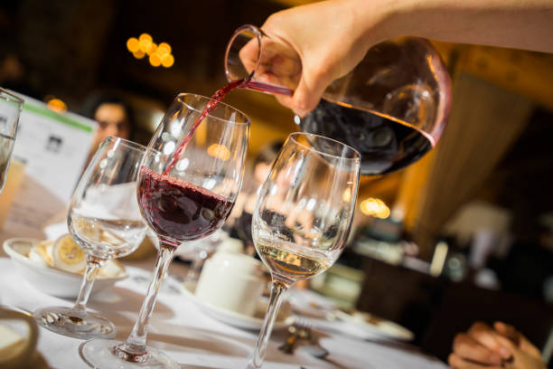
- Pouring: When pouring wine using the Wine Decanter, keep it steady to avoid spilling the wine.
IV. Summary
Proper use of a wine decanter not only enhances the taste of your wine but also increases the enjoyment of drinking. By understanding the functions of a wine decanter and avoiding common mistakes, you can better enjoy every glass of wine.