Red Wine and Meditation: The Art of Slow Drinking and the Role of the Wine Decanter

On a quiet weekend afternoon or in the stillness of an evening, you pick up a glass of red wine, slowly and almost ritualistically inhale its aroma, take a sip, and let the wine flow on your tongue. At this moment, the wine decanter is more than just a decanter; it’s an invisible companion for slow drinking and meditation. With its help, you can experience the true layers of red wine and allow your mind to find peace in every sip of its aroma.
Savoring red wine slowly is itself a form of meditation, a practice of being mindful of the present moment. A decanter not only enhances the flavor but also imbues the process with a sense of ritual and immersion.
Table of Contents
The Charm of Slow Drinking and Meditation
When red wine meets mindfulness
The combination of slow sipping and meditation is a sensory awareness exercise. Close your eyes, take a deep breath of the wine’s aroma, and let your thoughts settle. In the aroma, you can sense fruit, wood, and even the wine’s age.
A gentle reminder: Red wine is not a “quick stress reliever,” but rather a slow-paced experience that allows you to temporarily escape from the hustle and bustle of daily life.
This method helps to:
- Slow down your breathing and heart rate, and let your body relax naturally.
- Enhance the sense of presence and savor the aroma flowing through your mouth with every bite.
- Enhance emotional awareness and self-reflection to gradually calm the mind.
Savoring red wine slowly is actually about cultivating a certain rhythm of life, allowing stress and fast pace to gradually fade away. The wine decanter, in this process, serves as a small “ritual medium,” engaging movement, scent, and sight.
Why wine decanter is a great aid for slow drinking
wine decanter lies not only in its elegant appearance. It can:
- pouring the wine into the wine decanter, the wine comes into contact with the air, releasing its aromas
. The tannins of the young red wine soften, and the aromas gradually unfold, making it easier to discover the rich layers of fruit, vanilla, and even oak flavors during slow sipping. - Filtering sediment
in older or unfiltered wine bottles may result in small sediments. A wine decanter allows you to easily remove these impurities, leaving only clear wine, which not only improves the taste but also enhances the enjoyment of drinking. - improves the taste,
resulting in a smoother alcohol aroma, more refined tannins, a rounder palate, and a longer finish. It is especially effective for young wines, with noticeable changes visible within about 30 minutes. - Adding a sense of ritual
to your drinking experience—pouring, gently swirling, and inhaling the aroma—each action acts as a prelude to meditation, making slow drinking more ceremonial. Even when simply enjoying a drink at home, these actions can allow you to experience focus and tranquility.
Interestingly, these small steps also train your patience and focus. Drinking slowly is itself a form of self-care.
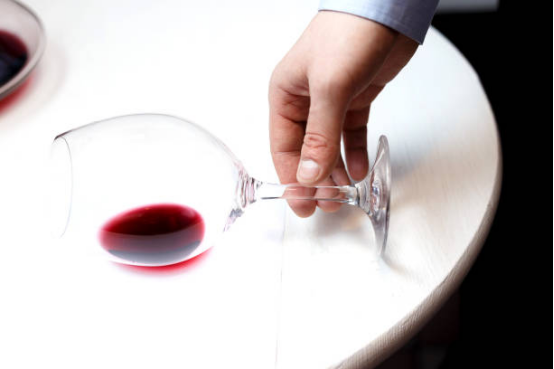
Wine decanter usage process
1. Choose red wine
Choose a well-structured, aromatic red wine. Younger Bordeaux, Syrah, or Rhône wines are best, as they release their layers of flavor through a wine decanter. If you wish to try a more mature wine, it is recommended to pour a small amount first to test the aroma so that the fragrance does not dissipate during decanting.
2. Set up a meditation environment
- Quiet corner, comfortable seat
- Soft light or candles
- Soft background music (optional)
- You can place a small blanket or prepare a notebook to record your wine tasting experience and meditative feelings at any time.
The ambiance doesn’t need to be complicated, but the details can significantly enhance your slow-drinking experience. You’ll find that even your breathing slows down.
3. Pouring and Decanting Wine
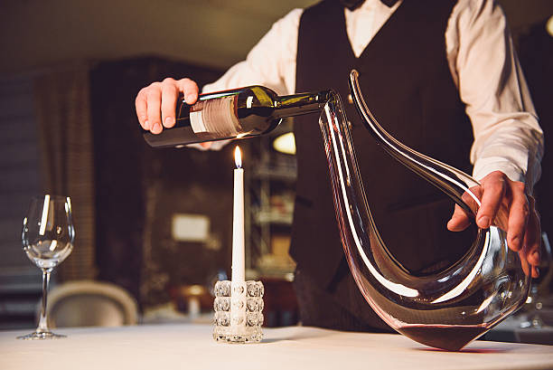
- Slowly pour the wine into the wine decanter; don’t rush.
- Let it sit for 20–40 minutes to allow the aroma to fully develop.
- While waiting, you can close your eyes and take a few deep breaths to calm your mind.
Tip: Observe the flow and color changes of the wine while pouring it; vision is also part of meditation.
4. Wine Tasting and Awareness
- Pour about 100 ml and savor it slowly.
- Smell the aroma, take a sip, and let the wine linger in your mouth.
- Observe how aroma and taste trigger memories and emotions.
- You can close your eyes and try to feel the changes and subtle layers of each fragrance.
Savoring wine slowly is not just about appreciating it but also an exploration of one’s inner self. You’ll be pleasantly surprised to find that each sip tells a story.
5. Rhythm and Drinking Habits
- After taking a small sip, put down the cup and synchronize your body with your breathing.
- If not finished, use a cork to preserve it.
- Alternate drinking water to prevent overdrinking, and stay alert.
- Try closing your eyes and feeling your breath and heartbeat with each small sip.
Through this slow pace, red wine not only enhances the taste but also makes meditation smoother.
Benefits of Slowly Drinking Red Wine
- Enhance the experience: Savor it slowly and let the aroma of the wine resonate with your mood.
- Mental relaxation: Mindfulness combined with red wine can help relieve anxiety.
- Control your drinking pace: pour small sips, drink slowly, and drink water intermittently to make the experience safer.
- Enhance the sense of ritual in life: a wine decanter instantly transforms ordinary drinking into a ritual, reminding you to stop and enjoy the present moment.
Precautions
- Drinking in moderation: Slow drinking does not mean drinking a lot of alcohol; controlling the amount is the key to maintaining a meditative state.
- Wine selection: Young or very old wines are not suitable for long decanting.
- Decanting time: Too long may cause the aroma to dissipate, so it needs to be adjusted flexibly.
- Environmental safety: Keep the wine decanter and wine glass stable to prevent tipping.
- Self-awareness: When combining drinking with meditation, pay attention to your body and emotional reactions.
- Record your experience: You can write down your feelings and aroma memories. Over time, you will develop your own wine-tasting meditation method.
Practical Tips
- Regular practice: Choose a fixed time each week to make slow drinking meditation a habit.
- Try different wines: from light fruitiness to rich tannins, each wine offers a different meditative experience.
- Small gatherings: Invite friends together to share scents and feelings, which can also increase social enjoyment.
- Use different wine decanter shapes: different shapes have different effects on wine oxidation and aroma release; try to find the one that suits you best.
These practical tips will help you move from theory to practice and maximize the value of your wine decanter.
Summarize
The combination of red wine and meditation is a practice of slow-paced living. A wine decanter releases the aromas, smooths the taste, and adds a sense of ritual. Through slow, deliberate sipping, careful ambiance, and mindful awareness of breath and aromas, you can experience tranquility in every sip.
Next time you open a bottle of wine, slow down, pour yourself a glass, and let the aroma, taste, and thoughts flow together. With a wine decanter, make slow drinking a small yet profound ritual—this is the art of wine and meditation intertwined.