
Holding a bottle of fine red wine, have you ever hesitated: is decanting really necessary? Many people think decanting is just a ritual, but that’s not the case. The complexity, aroma layers, and palate structure of fine red wines make them more suitable for slow release through a decanter than ordinary red wines. This article will take you through a scientific and practical analysis of why fine red wine and a wine decanter are a perfect match.
Table of Contents
The unique characteristics of high-end red wine and the necessity of decanter
Complex structure and rich aroma
High-end red wines are typically aged for many years, resulting in rich tannins and complex aromas of fruit, earth, oak, and even aged notes. Drinking them straight might suppress these aromas and make the tannins seem a bit harsh. This is where the wine decanter comes in: through moderate oxidation, it allows the aromas to gradually release, resulting in a smoother, more rounded body.
Tip: For younger but full-bodied Bordeaux or Cabernet Sauvignon, using a decanter for 1–2 hours can often significantly improve the smoothness of the texture.
Removal of sediment, resulting in both visual and taste improvements.
Sediment often forms in aged red wines or in high-end bottles that haven’t been fully filtered. When pouring into a wine decanter, pouring gently will leave the sediment at the bottom of the bottle, allowing only the clear liquid to flow out. This not only ensures visual clarity but also avoids a bitter, gritty taste, resulting in a cleaner and more enjoyable drinking experience.
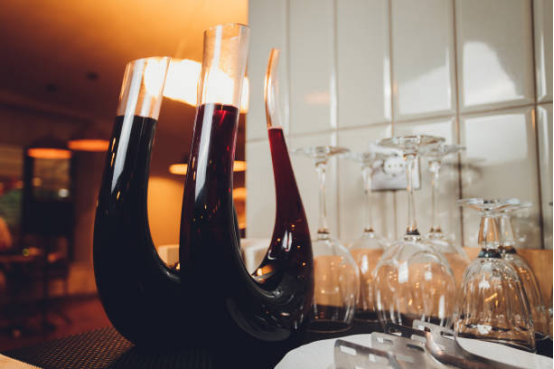
How to optimize the drinking experience of premium red wines?
Decanting, letting the wine breathe
Oxygen is a catalyst for the release of aromas and flavors in red wine. Through the decanter, the surface area of the wine in contact with air increases, tannins gradually soften, and layers of aroma unfold. For high-end red wines, this “slow breathing” process is crucial.
- Young, premium wines: 1–2 hours of decanting can enhance the balance of flavors.
- -agedMature aged wines: Short-term decanting is mainly to remove sediment.
Interestingly, sometimes even just pouring the decanter for 5–10 minutes can reveal subtle changes in aroma, and this delicate evolution makes the wine tasting process more ritualistic.
Choose the appropriate wine decanter shape
The shape of the decanter affects the surface area of the wine exposed to air. A wide base and narrow neck accelerate the oxidation process, suitable for young, tannic wines; a narrow base and long neck are more mellow, suitable for older or delicate wines. Choosing the right shape allows the wine to express itself perfectly in the decanter.
Tip: Observing the color and bubbles of the wine poured into the decanter can help determine whether the degree of oxidation is appropriate.
Operational Recommendations—A Practical Guide to Using a Wine Decorator for Premium Red Wines
- Pour the wine gently: Avoid stirring the sediment and keep the wine clear.
- Observe the sediment: Use a small lamp or light source to shine on the neck of the bottle; stop pouring when the sediment is close to the mouth of the bottle.
- Decanting time: 1-2 hours for young wines, 10-30 minutes for older wines.
- Maintain a comfortable temperature: 18–22°C is ideal. Avoid direct exposure to heating or direct sunlight.
- Taste in batches: First smell the aroma, then take small sips to gradually experience the evolution of the aroma and taste.
By following these small steps, you can more precisely control the performance of the wine, ensuring that every sip of premium red wine reaches its ideal state.
When is it not necessary to wine wine decanter
Not all high-end red wines are suitable for long decanting:
- Delicate structure: Light-bodied Pinot Noir, etc., may lose aroma due to excessive oxidation.
- Very old wines: Their aromas may fade if exposed to air for an extended period.
- Drink in multiple batches: Resealing and storing the remaining wine may affect its flavor.
Making a rational judgment about when to consume decanter is a way to respect the wine itself and is also key to enhancing the wine-tasting experience.
Temperature and humidity, and environmental tips for using wine decanter
Although the wine decanter itself is not affected by temperature and humidity, the environment still indirectly affects its decanting effect:
- Too high a temperature: The wine oxidizes too quickly, resulting in a rapid increase in aroma.
- Too low a temperature: the aroma of the wine is released slowly, and the taste is closed.
- Moderate humidity (50–70%): ensures stability of the cork and the wine.
When decanting at home, choosing a temperature-controlled, clean, and well-ventilated environment will maximize its effectiveness.
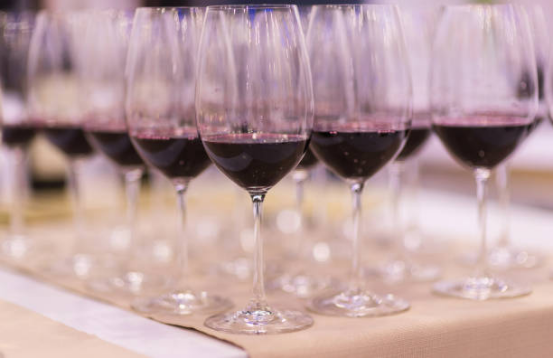
Summarize
- High-end red wines have complex structures and rich aromas, often accompanied by sediment and robust tannins.
- Wine decanter can release aromas, soften tannins, and remove sediment through oxidation.
- Choosing the right decanter shape and decanting time allows the wine to express itself best in the glass.
- A rational assessment of when to decant alcohol, combined with consideration of temperature and humidity, can further enhance the drinking experience.
Every drop of fine wine deserves to be carefully cherished. Using a wine decanter is not just about tasting wine but also about a slow-drinking experience that combines a sense of ritual with scientific principles.
Purchase our wine decanter now and ensure that every bottle of premium red wine receives the respect and perfect release it deserves.