How to quickly dry a long-bottomed wine decanter? A comprehensive analysis of practical methods.

Using a wine decanter is no longer just about aerating wine; it’s more like a work of art, imbuing the wine’s color, shine, and the pouring process with a sense of ritual. However, for decanter users with long necks and wide bellies, cleaning and drying after use can often be a headache. Water droplets tend to remain at the bottom of the bottle, and if not thoroughly dried, this not only affects the taste of the next pour but can also leave water stains on the glass surface.
So, how can you quickly dry a wine decanter with a long neck? This article will share several safe and efficient methods based on practical experience, allowing you to keep your wine vessel clean, save time, and enhance your enjoyment every time you use it.
Table of Contents
Why is drying the long-bottom-of-bottle Wine Decanter so crucial?
Insufficient drying after using a decanter will cause three major problems:
- Water spots and mineral deposits: Water droplets remaining on the glass surface can easily form white water spots or mineral deposits, affecting the appearance and clarity of the wine.
- Odors and mold growth: Moist environments are prone to microbial growth, and even a small amount of residual moisture can cause odors inside the Wine Decanter .
- Extend the lifespan of wine decanters: Long-term humid environments can damage the luster of glass or crystal, especially high-end wine decanters with long necks, which require careful maintenance.
Therefore, drying is not just a cleaning issue but also an investment in the lifespan and user experience of wine glasses.
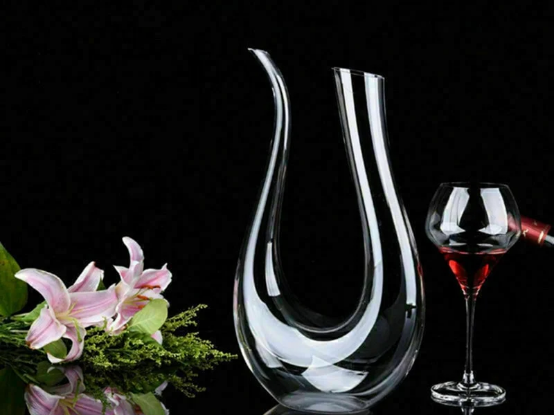
Six methods for rapidly drying long-bottomed wine decanters
Method 1 – Invert and allow to air dry naturally
The most basic method is to wash the bottle and then invert it with the opening facing down to allow air to circulate naturally and help the moisture evaporate.
- Advantages: No additional tools required, easy to operate.
- Note: If there is insufficient air circulation, water droplets may remain at the bottom of the bottle, and it may take several hours or even overnight to dry completely.
Tip: When inverting the bottle, place a clean towel under the stand. This will stabilize the bottle and absorb any dripping water, keeping the bottle opening dry.
Method 2 – Wipe the inside of the bottle with a soft cloth
If you want to speed up the drying process, you can use a soft microfiber cloth or glass polishing cloth, roll it into a long strip, and gently insert it into the neck of the bottle to wipe the inside.
- Advantages: More thorough than simply inverting the bottle; it also cleans the bottom and curved areas.
- Precautions: If the cloth strip is too stiff or too thick, it may scratch the glass. Handle it gently.
This method is suitable for people who already have a long-necked wine decanter at home and need it urgently, especially those who use it at night and want to pour the wine immediately the next day.
Method 3 – Using a dedicated decanter drying rack
There are decanter drying racks on the market that are specially designed for decanters. You hang the bottle on the rack with the bottle belly facing down so that air can circulate from all directions.
- Advantages: Stable, safe, dries quickly, and not easy to tip over.
- Recommended for: Frequent decanter users or collectors with multiple decanters at home.
Experience sharing: Many wine lovers say that after using a drying rack, the residual water in the neck of the bottle almost disappears, and the efficiency is several times faster than ordinary inversion.
Method 4 – Insert a special water-absorbing tool
There are some decanters/dry heads on the market that are designed specifically for decanters and can be inserted into the bottle opening to absorb the moisture inside.
- Advantages: Fast and thorough, does not rely on air drying, and is especially suitable for occasions with frequent use.
- Suitable for: wine lovers or restaurant/bar staff.
Tip: Gently rotate the suction head when inserting the bottle to ensure both the bottom and inner wall are in contact. This will quickly absorb any remaining water, making it especially suitable for decanters with long necks.
Method 5 – Warm water rinsing combined with inverted ventilation
Rinsing with warm water can help speed up evaporation:
- Rinse the inside of the decanter with warm water, shake gently, and pour out most of the water.
- Invert it in a well-ventilated environment to allow any remaining moisture to evaporate naturally.
- Advantages: Dries faster than cold water and is less irritating to glass.
- Precautions: The water temperature should not be too high to avoid the glass breaking.
This method is suitable for everyday household use and can also reduce water stains.
Method Six – Short-Term Low-Temperature Hot Air Assistance
If time is tight, after inverting the bottle for a few minutes to allow it to ventilate, you can use a low-temperature hair dryer to gently blow on the bottle opening to accelerate moisture evaporation.
- Advantages: The drying speed is significantly improved, making it especially suitable for parties or occasions where it is needed urgently.
- Precautions: Excessive temperature or close proximity may cause uneven heating and cracking of the glass. Handle with care.
Extra tips for drying wine decanter
- Keep the bottle opening ventilated: Even if it is upside down, try to place it in a well-ventilated area to avoid moisture retention caused by a closed bottle opening.
- Regular deep cleaning: Clean the inside of the Wine Decanter with warm water and a small amount of white vinegar or a special cleaning bead to remove limescale or tiny deposits.
- Avoid dishwashers: Wine decanters with long necks are often made of delicate glass or crystal, and the high temperatures and scouring force of dishwashers may cause them to crack or scratch.
- Combination tools: Combining cloth wipes, drying racks, and absorbent tools is quick and thorough, especially suitable for high-end decanters or collectible wine glasses.
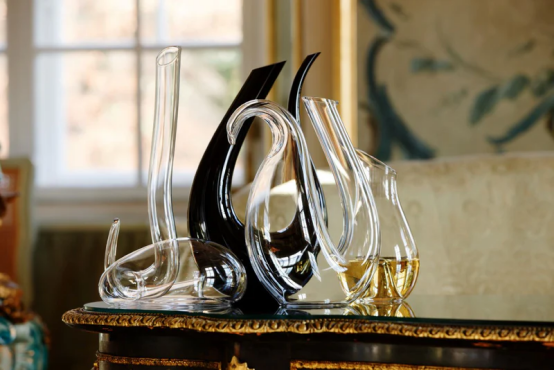
Summary: Key Considerations for Rapidly Drying Long-Bottle-Length Wine Decanters
- If not in urgent need: simply invert and allow natural ventilation.
- For those seeking efficiency, wiping with a cloth or drying the stand is the safest option.
- For frequent use/high requirements, a dedicated water-absorbing tool is best.
- For urgent use: Rinse with warm water and use a low-temperature hot air setting to dry in a few minutes.
By using the methods described above, you can not only quickly dry long-necked wine decanters but also keep your wine vessels sparkling clean. A clean and transparent decanter not only allows the aroma and taste of the wine to be perfectly presented but also makes every pour a ritualistic and enjoyable experience.
In my opinion, keeping the decanter clean and dry is actually respecting each bottle of wine—allowing it to showcase its flavor in its most suitable condition. Mastering these tips will definitely elevate your wine decanter experience to a whole new level.