the shape and size of a wine decanter based on the type of wine

Wine is more than just a drink; it’s a form of culture, art, and enjoyment. A wine decanter, this seemingly simple tool, actually plays a crucial role in the wine tasting process. If you truly want to extract the purest flavor from every glass of wine, choosing the right one is crucial. Different types of wine require different shapes and sizes. Today, let’s discuss how to choose the most appropriate wine decanter based on the type of wine, ensuring you get the best possible taste experience while enjoying your wine.
1. Red wine: large capacity, wide bottom design
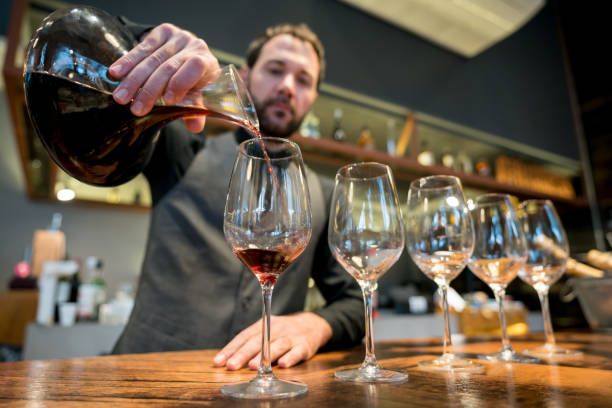
When we think of red wine, we probably first think of wines with rich, complex flavors. To help these wines truly showcase their depth of aroma and rich flavors, a wine decanter needs to provide increased oxygen exposure. A larger base and wide mouth are essential, accelerating the wine’s oxidation process and helping it absorb air better.
Suitable wine decanter shapes and sizes:
- Shape: For red wine, choose a bottle with a wide base and a gradually narrowing neck. This design maximizes the contact surface between the wine and the air and also helps to concentrate the release of the wine’s aroma.
- Size: Red wines generally require a larger capacity. This not only provides enough space for the wine to “breathe,” but also allows you to feel its full body when pouring.
Recommended wines: Cabernet Sauvignon, Merlot, and Pinot Noir.
2. White wine: small, exquisite design
White wines, especially those with a refreshing and pleasant aroma, require much less oxidation than red wines. Excessive exposure to air can damage their refreshing flavors. Therefore, choosing a bottle with a smaller neck and a delicate body is best. This preserves the wine’s purity and concentrates its unique aromas.
Suitable shapes and sizes:
- Shape: White wine decanters are usually designed to be more slender with a narrower neck. This helps reduce the wine’s contact with air, thus preserving its freshness.
- Size: Compared to red wine, a white wine decanter has a smaller capacity. After all, white wine takes less time to decant, and too much oxygen exposure will not enhance its flavor.
Recommended wines: Chardonnay, Sauvignon Blanc, and Riesling, for example.
3. Sparkling wine: Special champagne glass design
Sparkling wines, such as Champagne and Prosecco, are another type of wine that requires special care. Because of the bubbles, choosing the right one is particularly important. Excessive oxidation can cause the bubbles to disappear quickly, affecting the wine’s flavor. Typically, a champagne flute or a champagne-glass-shaped wine decanter is most suitable. Their narrow neck effectively maintains the bubbles’ stability.
Suitable shapes and sizes:
- Shape: The long, narrow design of a champagne flute reduces the loss of bubbles while concentrating the aroma. A wine decanter shaped like a champagne flute or a champagne bucket can help the bubbles last longer and the aroma of the wine be more concentrated.
- Size: Since sparkling wines typically have a smaller volume, a wine decanter should be smaller. It should be large enough to hold a small amount of wine while still keeping the bubbles active.
Recommended wines: Champagne, Prosecco, Cava, and other sparkling wines.
4. Sweet wine: medium volume, moderate oxidation
Sweet wines typically have higher sugar content, which requires different oxidation requirements than dry wines. While they don’t need as much oxygen, moderate oxidation can enhance the sweetness of the wine. Therefore, a medium-sized bottle with a medium shape is most suitable.
Suitable wine decanter shapes and sizes:
- Shape: The shape of a sweet wine decanter is moderate, which allows the wine to have a certain contact with air without causing the sweetness of the wine to be lost.
- Size: Compared to red wine, sweet wine has a moderate capacity and does not require a large space. The moderate capacity can maintain the rich flavor of the wine.
Recommended wines: Sweet wines such as botrytis cider and ice wine.
5. Special wines: Demand for older and younger wines
Old wine:
For older wines, the purpose of decanting is to allow the wine to “breathe” without over-oxidizing. Overexposure can damage the wine’s delicate flavors. Therefore, it’s wise to choose a more conservative wine decanter shape to minimize the wine’s contact time with air.
Young wines:
Young wines require more oxidation to soften their tannins and acidity. A wine decanter with a large capacity and wide base can provide more space for young wines, allowing them to quickly express more aroma and taste.
Summary: Choose the right wine according to your taste
Choosing the right wine shape and size can significantly enhance the flavor of your wine. From red to white, sparkling to sweet, every wine has its own unique needs. By choosing the right shape and size, you can not only enrich the aroma and taste of your wine but also add a lot of fun to your drinking experience.
In short, choosing a wine decanter should be based on the type and characteristics of the wine you’re drinking. Different designs can help you fully experience the beauty of each wine. I hope this article provides some guidance and helps you choose a wine decanter more easily!
Frequently Asked Questions
1. Can I use the same wine decanter to decant both red and white wines?
Yes, you can use the same wine decanter for both red and white wines, but to maximize their flavor, it’s best to choose the right wine decanter for each type of wine. Red wines need a large, wide one to promote oxidation and release aromas, while white wines require a bottle with a narrow neck to minimize air contact and thus maintain their freshness.
2. Does the size of a wine decanter really matter?
Absolutely! Size directly impacts the wine’s contact area with air. If it’s too small, the wine’s contact surface with air will be limited, preventing it from fully “breathing.” On the other hand, if it’s too large, oxidation may occur too quickly, especially with younger wines. Choosing the right size for the type of wine and desired flavor profile is key to ensuring the wine is most delicious.
3. Why are some clear and others frosted or colored?
Transparent wine decanters are often used to enhance the wine’s color and visual appeal, allowing you to better appreciate its hue. This is especially true for rich, full-bodied red wines, which offer a visually appealing experience. Frosted or tinted wine decanters, on the other hand, are often used to minimize the wine’s exposure to air or for decorative purposes. The choice of decanter depends entirely on personal preference and intended use.
4. Is it necessary to use a wine decanter for sparkling wine?
Sparkling wines (such as Champagne and Prosecco) don’t require the same lengthy decanting as red wines. In fact, excessive oxidation can damage the vitality of the bubbles. Typically, pouring sparkling wine directly into a Champagne flute or a wine decanter (like a Champagne bucket) is sufficient. This helps maintain the persistence of the bubbles and allows the wine’s aroma to flourish.
5. What are the different materials used in wine decanters?
Common materials include glass and crystal. Crystal, due to its high gloss and aesthetic appeal, is often used in formal settings, while glass is more practical and affordable. Regardless of the material chosen, the key is its ability to allow the wine to come into contact with air, thereby enhancing its flavor.
6. How do I decide if a wine is suitable for me?
When choosing a wine, consider not only the type and volume of wine but also its complexity. For example, older wines require less oxidation, so a conservative shape and moderate volume are best. Younger wines, on the other hand, can be treated with a larger wine decanter to allow the wine to fully air out and release its aroma and flavor.