
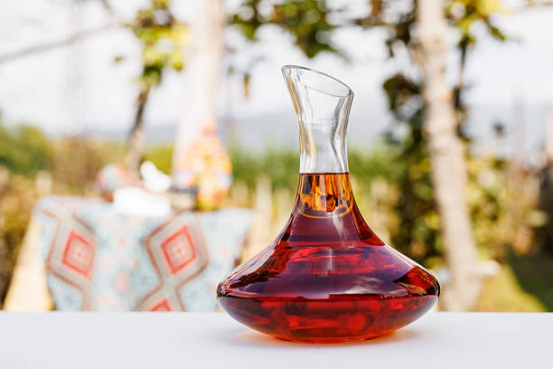
At a party, delicious food isn’t enough; it’s often the right wine that truly elevates the atmosphere. While pairing wine and food may sound like a complex science, it’s actually quite easy with a few core principles. Don’t worry, there are no complicated chemical formulas here; instead, there are intuitive tips to help you feel more confident when opening a bottle, pouring a glass, or even lifting a wine decanter.
Tip 1: Match Flavor Intensity
You may have noticed this: a heavy steak paired with a light white wine completely overwhelms the flavor. Conversely, steamed fish paired with a strong Cabernet Sauvignon overwhelms the fish’s umami flavor.
The trick is to pair strong-flavored foods with full-bodied wines and light-flavored foods with lighter wines.
For example, rib-eye steak and barbecue are suitable for full-bodied Cabernet Sauvignon or Syrah/Shiraz; salad and steamed sea bass are more suitable for Sauvignon Blanc or unoaked Chardonnay.
Tip 2: The acidity should be higher than the dish
Acidity is a palate-cleansing tool. If the wine’s acidity is lower than the food’s, a greasy feeling will linger in the mouth, like eating fried chicken without a soda. A wine with high acidity can instantly refresh the palate.
For example, fried chicken and French fries paired with champagne or sparkling wine not only have sufficient acidity but also have bubbles, which eliminates the greasiness; tomato pasta or seafood with lemon juice are very harmonious with Sauvignon Blanc.
Tip 3: The wine is slightly sweeter than the food
This is especially true for desserts. If the dessert is sweeter than the wine, the wine will often seem bitter. A slightly sweeter wine can truly complement the dessert.
Examples: Chocolate cake or candied fruit paired with port or late harvest dessert wine; even a cheese platter with a little honey is something you can try.
Tip: Don’t be afraid when sweet and sour coexist, as they can often create layers of flavor.
Tip 4: Focus on the Dominant Flavor
When ordering food, many people only consider “this is chicken” or “this is fish,” but in fact, the real taste is often dominated by the sauce and cooking method. For example, the same chicken, lemon juice, garlic style, and cream mushroom style are completely different.
Example: Duck à l’Orange is dominated by fruit and acidity, suitable for Pinot Noir or young Grenache.
Tip 5: The Secret of Fat and Tannin
If there’s a magic trick to the table, it’s when tannins meet fat. The fat softens the astringency of the tannins, while the tannins scrape away the greasiness. That’s why the combination of a big cut of meat and a strong red wine is almost always a good match.
For example, lamb chops and rib-eye steaks paired with Cabernet Sauvignon or Syrah; for buttery pasta, don’t force a high-tannin red wine; a Chardonnay with a slight oak flavor will be more comfortable.
Tip 6: Contrast vs. Similarity
Sometimes you may be hesitant: should you look for a wine that is “similar” or “contrasting”? The answer is it depends on what effect you are looking for.
Similar Pairings: Flavors echo each other, like mushroom risotto and Pinot Noir, where the earthy notes complement each other beautifully.
Contrasting pairings: Taste tugs, such as spicy Thai shrimp and slightly sweet Riesling, spicy with sweet, and fresh with fiery.
Tip 7: The sauce is often more important than the main ingredient
Once again, don’t just focus on the meat or fish itself. Roast chicken with a creamy mushroom sauce is perfect for a Chardonnay with its creamy, oaky aromas; steak with a black pepper sauce would benefit from a Syrah or Grenache for a more complex pairing. The interaction between wine and sauce is the true soul of the pairing.
Tip 8: Regional Matching
A “lazy” and easy-to-use method:If the food and wine come from the same region, you can hardly go wrong. After all, they are grown in the same terroir.
Examples: Tuscan dishes paired with Chianti, Provençal seafood paired with local rosé, and Japanese dishes could even be paired with a cool white wine or sake.
Tip 9: Be cautious with spices and spicy foods
Spicy and spice-rich dishes can amplify the alcohol and make the wine harsh, so sweetness or low tannins can be a lifesaver.
Example: Sichuan spicy hot pot and Indian curry are paired with slightly sweet Riesling or Gewürztraminer; avoid Cabernet Sauvignon, as it will only make the spiciness more intense.
Tip 10: Golden Rules for Dessert Pairing
Always remember: dessert wine must be sweeter than the dessert. Otherwise, the wine in your hand will taste bland or even bitter.
Examples: Brownies and caramel pudding paired with port wine, and apple pie paired with ice wine or sweet sherry are all classic and timeless combinations.
Summary: How to make decisions quickly?
- First look at the dish and seasoning: sour, sweet, spicy, or oily?
- Then think about the wine’s properties: acidity, tannins, sweetness, and body.
By applying the above 10 principles, you can basically find the right combination.
Not sure? Use the “regional pairing” or “sauce-based” rule to stay on track.
Ultimately, it’s the combination you enjoy that matters. Even if you break the rules, as long as it tastes good, it’s a good pairing.
Practical Examples: 10 Classic Pairings
- Grilled rib-eye + Cabernet Sauvignon → Tannins can control the fat.
- Roast chicken with creamy mushroom sauce + oak barrel Chardonnay → The oak aroma echoes the cream.
- Steamed sea bass + Sauvignon Blanc → acidity enhances the flavor.
- Spicy Thai-style stir-fried shrimp + semi-dry Riesling → sweet and spicy.
- Grilled duck breast + Pinot Noir → Fruity and rich.
- Seafood platter + champagne → Foam to cleanse your mouth.
- Mushroom Risotto + Grenache → Earthy flavors echo.
- Chocolate mousse + port wine → a rich and sweet combination.
- Grilled lamb chops + Shiraz → A combination of smoky and spicy flavors.
- Roasted vegetables + Viognier → A white wine with a caramel aroma is perfect.
Why is it effective? The logic behind it
- Taste contrast: sour, sweet, and oily are balanced with each other.
- Chemical complementarity: tannins grab proteins, and acids neutralize oils.
- Psychological expectations: Red meat with heavy wine, dessert with sweet wine—this “sense of familiarity” will make you feel natural.
Conclusion
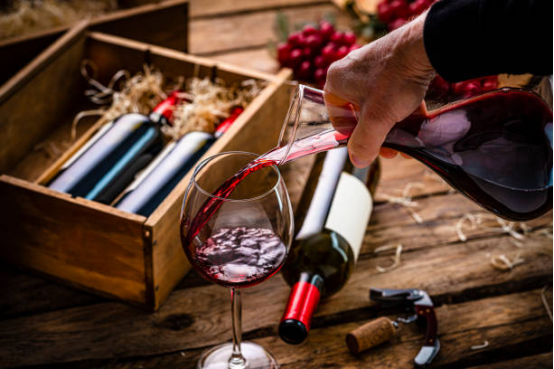
Pairing wine and food is an art form, but it’s not mysterious. Master these tips and you’ll be ready for most any occasion. At your next gathering, bring a wine decanter and pour your friends a glass of the perfect pairing. Who knows, that meal, thanks to a glass of wine, might become one of the most memorable. Cheers!