
Wine enthusiasts and collectors are always looking for ways to enhance their wine experience, and wine decanters are one of the most commonly used tools. They not only allow the wine to come into contact with air, releasing its captivating aromas, but also help to “decant” the wine, removing sediment and improving its body. However, with so many types of wine to choose from, especially single-varietal and blended wines, how effective is a wine decanter? Which wines are best suited for decanting? These are questions many people have.
Table of Contents
1. Function and Basic Principles
First, it’s crucial to understand the basic function of a decanter. Decanters are designed to allow wine to have more contact with air, thus accelerating the oxidation process and releasing its aromas and complex flavors. Through decanting, wine decanters can help young wines become rounder, reduce tannin astringency, and enhance the depth of flavor in mature wines.
Wine Decanter improve single-varietal wines?
Single-varietal wines are made from a single grape variety. Their flavors are typically more pronounced and direct. Grapes like Cabernet Sauvignon and Merlot, when young, tend to be tighter and have higher tannins. Decanting allows the wine to come into contact with air, softening the tannins and allowing the aromas and flavors to be fully released.
Wine Decanter improve blended wines?
Blended wines are made from a blend of two or more different grape varieties, typically resulting in a more complex structure and richer flavor profile. For example, Bordeaux blends often feature Cabernet Sauvignon, Merlot, and Cabernet Franc as the main grapes. Because the proportions of different grape varieties vary, decanting helps balance the wine’s components, enhancing its overall harmony.
2. The different characteristics of single-varietal wines and blended wines
Single-varietal wines: pure flavor, clear body
Single-varietal wines often bear the hallmarks of that grape variety, resulting in a purer flavor profile. For consumers who enjoy tasting the unique characteristics of a specific grape variety, single-varietal wines are the perfect choice.
- Flavor profile: Concentrated flavors with pronounced fruit, floral, and body notes. Suitable for those who enjoy directly experiencing the unique flavor profile of the grape variety.
- Taste: The wine is usually quite firm, with high acidity and tannins.
- Decanting effect: Using a decanter can help the wine release its aromas more quickly and soften the tannins, making the wine smoother.
Blended wines: rich layers, balanced taste
Compared to single-varietal wines, blended wines are characterized by their diversity and complexity. The combination of different grape varieties can compensate for the shortcomings of a single variety, creating a more balanced and layered wine.
- Flavor: A blend of multiple flavors allows you to taste various grape flavors at the same time, resulting in a more complex taste.
- Taste: The wine has a more balanced structure, making it suitable for wine lovers who enjoy a rich and varied flavor profile.
- Decanter effect: In blended wines, a decanter helps to harmonize the flavors of different grape varieties, making them blend better.
3. The “fit” between Wine Decanter and the wine—how to choose?
So, how should single-varietal wines and blended wines be used? Here are some practical guidelines:
Single-varietal wines: accelerate the maturation of the wine.
For young single-varietal wines, using a decanter can accelerate the oxidation process, helping the wine soften more quickly. For example, varieties like Cabernet Sauvignon and Syrah often have high tannins and tend to be dry when young. Through decanting, the tannins and acidity in the wine gradually become rounder, making the wine smoother and more palatable.
- Recommended decanting time: Generally, 30 minutes to 1 hour is sufficient. For very young wines, extending the decanting time may be more beneficial for the release of their flavors.
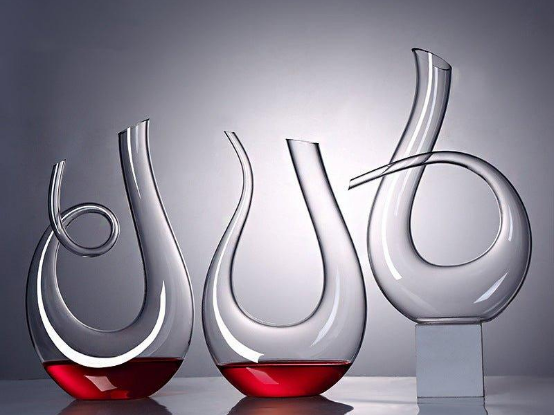
- Decanter selection: Choose one with a wider base and a larger opening to increase the surface area exposed to air and promote faster oxidation of the wine.
Blended wines: Decant gently to avoid excessive oxidation.
Special care must be taken when using this method with mature blended wines. Excessive oxidation can affect the balance of the wine and weaken the flavors of certain varietals.
- Recommended decanting time: For mature blended wines, it is recommended not to use a decanter for too long; 30 minutes to 1 hour is generally sufficient. For more complex wines, a shorter, gentle decanting time will be more effective.
- Decanter selection: Narrower wine decanters reduce the wine’s contact with air and prevent excessive oxidation.
4. Tips for selecting and using Wine Decanter
Besides understanding how to decant different types of wine, choosing the right wine decanter is also a key factor.
Factors to consider when making a selection:
- Shape: Choose a wide-bottomed wine, suitable for wines that require a longer oxidation period. The wide bottom increases the surface area of the wine in contact with air, helping to speed up the decanting process.
- Material: Transparent glass allows for clear observation of the wine’s oxidation process, making it ideal for tasting and helping to understand the changes in the wine.
- Volume Selection: The volume should match the bottle’s capacity. Generally, the volume of a wine decanter should be greater than or equal to the bottle’s capacity to ensure that the wine has sufficient space to come into contact with air.
5. Conclusion: Choosing Wine Decanter enhances your wine experience.
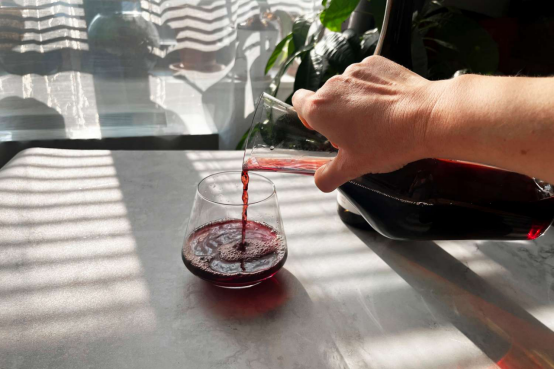
Whether it’s a single-varietal wine or a blend, the use of a wine decanter can effectively enhance the taste and experience of the wine. For single-varietal wines, a wine decanter can accelerate the softening process, making them smoother, while for blended wines, a wine decanter helps achieve the optimal balance of flavors from different grape varieties.
Choosing the right wine decanter and using it appropriately is crucial for enhancing the overall wine experience. It’s more than just a tool for decanting; it’s a way to allow the wine to fully interact with the air, releasing its full potential.