What wines are suitable for beer drinkers? | Wine Decanter Brand Guide

If you usually prefer beer but are thinking of trying wine lately—but are worried that the “fruity + astringent + high alcohol” combination might be overwhelming—don’t worry. This article is designed specifically for beer drinkers: we’ll explore several types of wine suitable for beer drinkers and introduce how to use a wine decanter to fully release the aromas, helping you smoothly transition from the “taste of beer” to the “world of grape juice in a glass.”
Table of Contents
Why do beer drinkers hesitate to drink wine?
Let’s talk about the differences between beer and wine. By the way, here are some interesting tips you might not have thought of.
- Alcohol content differences: Beer is usually 4-6%, light, foamy, and has a prominent bitter or malty flavor; wine commonly has an alcohol content of 12-15%, a full-bodied taste, and fruity, acidic, or even astringent notes.
- Drinking habits: Beer lovers are used to “drinking quickly, refreshingly, and easily,” so switching to wine may feel slow, full-bodied, and complex, and a bit “abrupt.”
Therefore, choosing a wine that “closes to the taste of beer” will make the tasting process smoother. Research shows that starting with a crisp, light-bodied wine with pronounced fruit flavors is the safest approach. Using a wine decanter at this stage can also enhance the wine’s aroma and create a more balanced flavor.
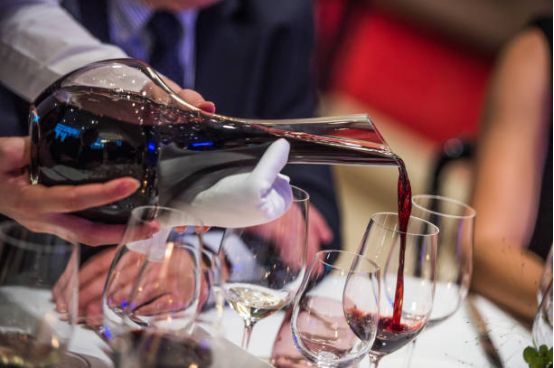
Which wines are best suited for beer drinkers?
Below, we recommend easy-to-drink wines based on common beer types, along with wine decanter usage tips to make the experience more comfortable for first-timers.
1. Prefer pale beer/lager? Try sparkling or refreshing white wine.
For light-colored lager or Pilsner, with a refreshing taste, plenty of foam, and low bitterness, you can choose from the following wines:
- Dry sparkling wines (such as Spanish Cava, French Champagne, and Italian Prosecco): light and bubbly, with a drinking experience similar to “beer foam.”
- Crisp white wines, such as Sauvignon Blanc and light Viognier, have bright acidity, clear fruit flavors, and are not heavy.
Tip: Use a wine decanter to pour in a small amount, swirl gently to allow the aroma to slowly unfold, so that you can feel the rich layers from the first sip without it being abrupt.
2. Prefer pale ale? Try a light red or medium-bodied white beer.
Pale ale is fuller than lager, with a hint of malt or slight bitterness. Suitable wines include:
- Light-bodied red wines, such as Pinot Noir, are low in tannins, smooth on the palate, and pleasant to drink.
- Medium-bodied white wines, such as lightly oaked Chardonnay, have a certain body but will not “explode” like full-bodied red wines from major regions.
Tip: Beer drinkers are often intimidated by tannins. Start with a light red wine to gradually get used to the astringency of wine, which is smoother than pouring a full-bodied wine directly. Decanting for 15–20 minutes with a wine decanter will soften the tannins and bring out the fruit aromas.
3. Prefer IPAs or bitter beers? Try a complex red wine.
For those who prefer IPA, strong hops, and pronounced bitterness, here are some options:
- Dark red wines: Carmenère, Cabernet Sauvignon, Syrah/Shiraz—pronounced tannins, balanced fruitiness and bitterness, rich flavor.
- High-alcohol, complex-flavored beers can give you a beer-like “thickness” experience, which is closer to your preferred taste intensity.
Tip: Decanting with a wine decanter for 20–30 minutes will make the tannins smoother and the aromas more complex, making it easier for beginners to enjoy.
4. Pair late-night snacks with wine—fried foods and pizzas can also be enjoyed.
Many beer lovers enjoy fried chicken, fries, and pizza, and here are some great wine pairings:
- Slightly sweet white wines (such as Riesling) or light-bodied red wines, with their acidity making them more palatable.
- For grilled meats or strongly flavored foods, choose a medium/full-bodied red wine; the tannins will help cut through the richness.
Tip: Use a wine decanter to aerate the wine before pairing it with food for a more complex flavor and aroma.
How to choose wine? A few practical steps
- Look at the descriptions of the wine’s body and taste: Look for keywords such as “light-bodied,” “refreshing,” and “fruity,” and avoid “rich” and “heavy-tannic.”
- Check the alcohol content: For first-timers, choose 12–13%, which is more palatable than the 13–15% commonly found in red wine.
- Slightly chilled drinks: Slightly chilled white wine or sparkling wine is more like beer.
- Less astringent, less strong flavor: Avoid high tannins or oak barrel flavors on the first taste.
- Try new things, but don’t rush: try three bites, and if you don’t like it, you can change it; there’s no need to force yourself.
Using a wine decanter allows the aromas to be released gradually, making the wine taste milder and more rounded for first-time drinkers.
In conclusion: Beer drinkers can also fall in love with wine.
Whether you’re a seasoned beer lover or someone who occasionally wants to try wine, finding a drink that’s “easy to drink” is the most important thing. By choosing the right type of wine and pairing it with a wine decanter, you’ll discover that wine isn’t “complex and unpleasant to drink,” but rather “another refreshing and enjoyable beverage.”
Next time you meet up with friends for drinks, try a refreshing sparkling wine or a light red wine; it might spark a new interest in wine. Don’t forget, a wine decanter allows the aromas to fully develop with every sip, making the experience more complex. Cheers!