Crystal vs. Glass: Comparing Materials When Choosing a Wine Decanter

Enjoying wine is about far more than savoring its profound aroma or rich taste. The choice of wine decanter can also significantly impact the overall experience. You may not realize it, but a suitable wine decanter not only helps the wine breathe better but also enhances the drinking experience. Whether you’re a wine enthusiast or just someone who enjoys a glass occasionally, you may have faced the question: crystal or glass, two common materials—which is better for you?
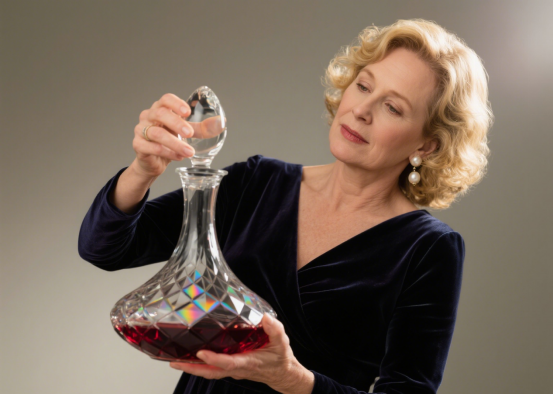
1. Material Comparison Overview
Crystal material
The beauty of crystal often captivates viewers at first sight. Crystal, a type of glass with a high lead content, possesses a far greater luster and weight than ordinary glass. This high lead content (typically exceeding 24%) imparts crystal with an alluring luster and a premium aesthetic. Its refined and unique designs are perfect for occasions embracing luxury and sophistication.
Advantages of crystal:
- Gloss and Refraction: Crystal’s unique refraction creates a beautiful shimmer under light. You’ll find that a crystal wine decanter makes wine appear even more captivating. The reflection of crystal creates a deeper, more vibrant color.
- Weight and feel: Crystal is usually heavier than glass, and it gives you a sense of calmness when held in your hand. This “heavy” feeling makes you feel that it is precious and even brings a sense of nobility.
- Suitable for formal occasions: Crystal, with its gorgeous appearance, has become a standard feature of many high-end banquets and celebrations. Imagine holding up a beautiful crystal wine decanter at a banquet, as if the entire scene is illuminated by its brilliance.
Disadvantages of crystal:
- Fragility: However, crystal isn’t perfect. Compared to glass, it’s more fragile. You might find that crystal will break if you drop it carelessly, especially if it contains lead.
- High Cost and Maintenance: Crystal is expensive and difficult to maintain. You need to be extra careful when cleaning it to avoid scratches or water spots.
- Potential health risks: While most high-quality crystals are safe, some low-quality crystals may contain harmful substances such as lead, which may pose a health risk with long-term exposure.
Glass material
Compared to crystal, glass wine decanters offer a simpler, more modern aesthetic without the luxury of traditional glass. Made from silicates, sodium, and calcium, glass lacks the clarity and brilliance of crystal but possesses a natural purity. Glass also contains no lead, making it a safer and more environmentally friendly option.
Advantages of glass:
- Durability: Glass is much stronger and more durable than crystal. It is less likely to break and requires less care during daily use.
- Environmental protection: Lead-free glass wine decanter is safer for health. Especially for those consumers who pay attention to environmental protection and health, glass is obviously a more ideal choice.
- Lightness and ease of use: Glass is lighter than crystal, allowing you to hold it for extended periods without feeling tired. If you prefer easy, convenient operation, glass is a better choice.
- Economical: The manufacturing cost of glass is relatively low, so the price is naturally much cheaper than crystal. For most people, a glass wine decanter is more cost-effective.
Disadvantages of glass:
- Ordinary appearance: To be honest, glass wine decanters are a bit less dazzling than crystal ones. Their refraction effect isn’t as dazzling as crystal, and their appearance is more plain.
- Lack of “weight”: Some people may feel that the lightness of glass makes it seem less high-end; especially in some formal occasions, it may not give people the feeling of weight as crystal.
2. The impact of materials on wine taste
When it comes to how materials affect the taste of wine, the difference between crystal and glass isn’t that significant. While crystal has a stronger refractive property, its direct effect on wine’s taste isn’t scientifically proven. Crystal’s weight and structure may slightly help aerate the wine, but this effect is generally minimal.
In contrast, while glass lacks a certain sheen, it better preserves the purity of the wine. Its smooth surface allows the wine to release its aromas without unnecessary interference. Especially for less expensive wines, a glass wine decanter provides the space and time it needs to truly reveal its beauty.
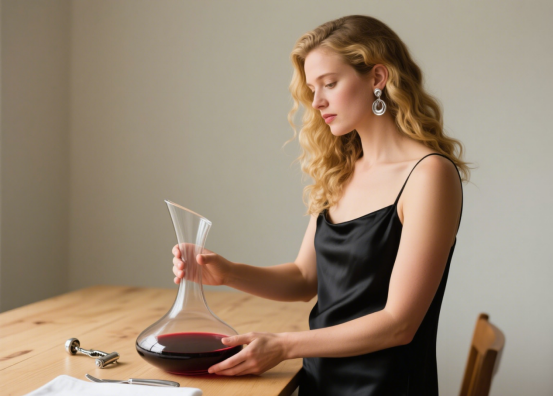
3. Applicable occasions
wine decanter for a special occasion HYPERLINK “https://buywinedecanter.com/shop/”, crystal is undoubtedly a great choice. Its gorgeousness and sophistication make it perfect for high-end banquets, celebrations, or any occasion that demands a touch of luxury.
However, if you just want to enjoy a glass of wine at home, glass is more practical. It’s lightweight, durable, and requires minimal maintenance. For a daily glass of wine, the glass is perfect.
4. How to choose the right material for you
The choice between crystal and glass ultimately comes down to your budget, frequency of use, and your wine needs. If you’re looking for luxury and a premium feel, crystal is undoubtedly the better choice. On the other hand, if you prioritize durability and convenience, glass will be a better fit.
- Budget: Crystal wine decanters are generally more expensive and are best purchased when you have a wider budget. If you’re on a tight budget, a glass wine decanter is a more affordable option.
- Frequency of use: If you frequently host banquets or formal events, a crystal wine decanter will be more suitable for your needs. For daily home use, a glass wine decanter is sufficient.
- Type of wine: If you are tasting very delicate wines, crystal may have a better aesthetic effect, but for ordinary wines, glass is more suitable.
5. Conclusion
Whether choosing crystal or glass, the most important decision is based on your needs. Crystal’s luxury and beauty are perfect for special occasions, while glass’s practicality and durability are better suited for everyday use. Choosing the right material not only enhances the drinking experience but also allows each bottle of wine to fully showcase its aroma and flavor.
6. Frequently Asked Questions
1. What is the main difference between crystal and glass?
The primary difference between crystal and glass lies in their materials. Crystal contains a higher lead content, giving it a more luxurious and lustrous appearance, while also imparting a greater sense of weight. Glass, on the other hand, is generally lighter, more durable, and lead-free, making it suitable for everyday use. Simply put, crystal is more suitable for formal occasions, while glass is more practical and economical.
2. Does a crystal wine decanter affect the taste of wine?
Scientific research has not yet definitively concluded whether crystal improves the taste of wine. While the refractive effect of crystal may visually enhance the wine’s appearance and, in some cases, aid the release of its aromas, the actual effect on taste is minimal. In most cases, the taste of a wine depends more on the quality of the wine itself than on the material used in the wine decanter.
3. What types of wine are suitable for a glass wine decanter?
Glass is ideal for everyday wines, especially those at a more affordable price. For younger wines, especially those that don’t need to be decanted for long, glass can provide the air and oxygen they need. However, if you have a complex vintage or a particularly delicate wine, you might want to opt for a crystal wine decanter to enhance the overall experience.
5. Are crystal wine decanters safe? Are lead-containing crystals harmful to health?
High-quality crystal generally meets safety standards and has very low lead content. Modern crystal is often treated to ensure it poses no health risks. However, cheaper, lower-quality crystal may contain high levels of lead, which can pose a health risk if exposed to it for extended periods or used in drinking wine. Therefore, choose a reputable brand to ensure your crystal wine decanter meets safety standards.
6. Are glass wine decanters more likely to break than crystal?
Glass is relatively more durable than crystal. Crystal, due to its high lead content, is often fragile and prone to breakage, especially when dropped or impacted. Glass, on the other hand, is a much stronger material with a lower risk of breakage, making it a more durable and practical choice for everyday use.