Wine Decanter: Choosing Wines with Higher Acidity: How to Enhance Your Wine Tasting Experience

In the world of wine, acidity is an indispensable element. You might think that “sourness” doesn’t sound appealing, but in fact, high-acid wines often deliver a surprisingly delightful taste experience. Whether you’re a wine novice or a seasoned sommelier, you should understand how to fully unleash the potential of high-acid wines through Wine Decanter, especially when pairing them with food. Today, we’ll discuss why combining high-acid wines with Wine Decanter can offer you a completely new wine-tasting experience.
Table of Contents
1. What is the acidity of wine, and why is it so important?
Acidity, simply put, is the component in wine that gives it its sour taste, originating from the natural acids in grapes. Common acids include malic acid, tartaric acid, and lactic acid, and their impact on wine extends beyond just taste. High-acid wines typically possess a fresh and lively character. This crispness in their structure allows them to pair perfectly with a variety of foods, even balancing the oiliness or intensity of flavors.
Wines with higher acidity, such as Sauvignon Blanc and Pinot Noir, are generally more refreshing and suitable for pairing with a variety of foods, especially oily foods or strongly flavored dishes.
2. The Magic of Wine Decanter: How to Make High-Acid Wines More Appealing
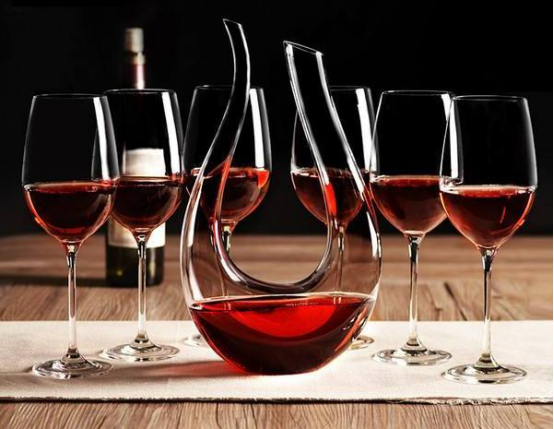
a wineYou might wonder, since high-acid wines are already quite distinctive, what’s the point of using wine decanter? Actually, decanting allows the organic compounds in the wine to be fully released, especially for wines with high acidity and complex flavors. Wine decanter, through contact with air, helps the wine oxidize, releasing more aromas and layers of flavor. This makes the acidity in the wine softer and the fruit and floral aromas more complex and nuanced.
2.1 How does decanting affect acidity?
The acidity of high-acid wines can become more rounded with proper decanting. Contact with air allows the acidity to harmonize better with other components, reducing any potentially pungent sourness and resulting in a more balanced and delicate flavor. This is especially important for high-acid wines that may initially taste astringent.
2.2 Managing the sobering time
,The decanting time is also crucial. Generally speaking, wines with higher acidity should not be decanted for too short a time; they should be allowed to “breathe” in the wine decanter for at least some time to allow their aromas, acidity, and other flavors to fully develop. If you have time, after pouring the wine into the wine decanter , you can let it stand for a while to observe the changes in its taste and enjoy the gradual change in acidity.
3. How to choose wines with higher acidity for pairing
When choosing a wine with high acidity, in addition to considering the type of wine, you also need to consider the food pairings. High-acid wines generally pair best with oily and strongly flavored foods. You might want to try the following high-acid wines:
3.1 White Wine: Sauvignon Blanc
Sauvignon Blanc, a typical high-acid white wine, is known for its refreshing taste and unique herbal aromas. Its acidity is very prominent, making it suitable for pairing with seafood, light salads, or crisp white meat dishes. Decanting with Wine Decanter will make the acidity of Sauvignon Blanc more rounded, and the floral and fruity aromas will become richer.
3.2 Red Wine: Pinot Noir
Pinot Noir is another type of wine with high acidity, making it particularly suitable for pairing with cured meats, roast chicken, and other similar dishes. Its acidity and body allow it to effectively neutralize the richness of flavorful foods. Decanting Pinot Noir with a Wine Decanter not only further balances its acidity but also enhances its red fruit aromas and creates a smoother palate.
3.3 Sparkling wine: Champagne
Champagne, as a typical sparkling wine, naturally has a high acidity. Its acidity, combined with the bubbles, creates a refreshing taste, making it suitable for pairing with various foods, especially oily or strongly flavored dishes. Decanting Champagne further softens it and enhances its mineral and fruity aromas.
3.4 Sweet Wine: Tokaji
Tokaji is a classic Hungarian sweet wine with high acidity and rich fruit aromas. Its acidity effectively balances its sweetness, allowing it to showcase a more complex flavor profile when paired with desserts or foie gras.
4. How to pair high-acid wines with food
High-acid wines generally pair well with the following types of food:
4.1 Seafood and Fish
Seafood typically has a delicate flavor and a fresh, umami taste. High-acid wines can complement the umami of seafood, especially Sauvignon Blanc, which pairs particularly well with delicate seafood such as oysters and cod.
4.2 Salads and Vegetables
Wines with higher acidity can effectively neutralize the bitterness of vegetables, especially those rich in acidity, such as tomatoes and lemons. In this pairing, the use of a wine decanter can help bring out the wine’s fruit aromas and acidity, creating a more complex and layered flavor profile when paired with vegetables.
4.3 Cheese and Ham
Wines with higher acidity are excellent pairings with cheeses and hams. The classic combination of Champagne and Parma ham, in particular, balances the richness of the food with its acidity and effervescence, resulting in a more refreshing overall taste.
5. Summary: Wine Decanter allows high-acidity wines to showcase more flavors.
Whether it’s a refreshing Sauvignon Blanc or a complex Pinot Noir, wines with higher acidity can achieve a more balanced and mellow flavor with the help of Wine Decanter. Through the oxidation process of Wine Decanter , the acidity, fruit aromas, and body layers in the wine are fully released, resulting in a richer overall character and a more enjoyable drinking experience.
So next time you’re choosing a high-acid wine, try pouring it into a wine decanter first, giving it a chance to “breathe,” before pairing it with a suitable food. You’ll find that this pairing not only enhances the wine’s flavor but also makes the entire dining experience more memorable.