
On a chilly winter night, a steaming cup of mulled wine always brings warmth to the heart. If you also have a fine wine decanter, it’s even more perfect: not only can it hold the mulled wine, but it also releases the aromas of spices and orange peel, making the entire drink richer and smoother. Today, I’m sharing a winter classic—a recipe for mulled wine brandy—teaching you how to use a wine decanter to create a warm, fragrant winter drink, making even a cold night gentle and elegant.
I. The Winter Charm of Mulled Wine and Brandy
Mulled wine, also known as mulled wine, is a traditional winter drink in Europe. Its charm lies in heating red wine, adding spices, orange slices, and even a touch of spirits, which can instantly dispel the chill.
In this recipe, we add brandy to the mulled wine, adding layers and warmth. The fruity, woody, and slightly caramel notes of brandy blend with the rich flavor of the red wine, bringing a unique depth and warmth. In the cold winter, holding a glass of mulled wine with a slight orange sheen, the aroma of spices slowly rising, seems to soften the entire winter.
II. Recipe and Ingredients: A Must-Have List for Warm Winter Nights
To make approximately 750 ml of mulled wine, the following ingredients are required:
Main materials:
- 750 ml of red wine (full-bodied, slightly dry wines such as Cabernet Sauvignon or Merlot are recommended)
- Brandy 60–80 ml
Spices and Fruits:
- One orange (sliced or peeled)
- 2–3 cinnamon sticks
- 4–5 cloves
- 1-2 star anise
- A small amount of nutmeg (optional)
Sweetness adjustment:
- 3 tablespoons of honey or white sugar (adjust to taste)
Tip: Be a little bolder with spices and fruits; more orange peel will bring a fresh fruity aroma, while more cinnamon will make it warmer.
III. Preparation steps: Slow and meticulous cooking; the aroma gradually intensifies.
- Prepare the cookware:
Choose a heavy-bottomed pot, pour in the red wine, and add the sliced oranges, cinnamon sticks, cloves, star anise, and sugar or honey. - slowly
over medium-low heat, being careful not to let the alcohol boil. High heat will evaporate the alcohol and also make the aromas harsh. - the aromas are released
and the wine begins to steam slightly; stir gently to allow the spices and fruits to fully infuse the wine. Heating for 15–20 minutes is recommended to further enhance the aroma layers. - Add brandy
and reduce heat to low. Pour the pre-measured brandy into the wine and stir gently to blend the aroma, fruit flavors, and spirit. This step preserves the original flavor of the red wine and makes the whole glass smoother. - brandy
, let the liquor sit for a minute or two to allow the aromas to blend more evenly. - Filter
out the spices and fruit pieces using a fine sieve (optional, but recommended), then pour the wine into the wine decanter. The large surface area of the wine decanter helps the aromas release quickly while maintaining the wine’s temperature. - Garnish and
serve in a hot drink glass with a handle. You can add a slice of orange or a cinnamon stick as a garnish, which is both beautiful and adds flavor.
IV. Why is Wine Decanter better?
Many people mistakenly believe that a decanter is only used to aerate aged red wine, but it is also very useful in mulled wine:
- The wide-mouth design of the wine decanter increases the surface area for air contact, allowing the aromas of spices and fruits to be released more quickly, making every sip of wine more flavorful.
- help maintain the temperature longer,
slowing down the cooling of mulled wine and allowing you to enjoy it slowly instead of rushing to drink it all at once. - The elegant presentation of
pouring mulled wine into the wine decanter instantly creates a warm, sophisticated, and more ceremonial atmosphere on the dining table.
Tip: If the wine decanter is not heat-resistant glass, it is recommended to let the wine cool slightly before pouring it in to avoid cracking due to excessive temperature difference.
V. Tips for Adjusting Flavor
Adjust the sweetness
: For a sweeter taste, add more honey or brown sugar;
for a drier taste, reduce the amount of sugar or omit it.
to the spice blend
to bring subtle flavor changes.
Fruit-based innovations
such as apple slices, citrus slices, or dried cranberries, can enrich the layers of mulled wine, making it more interesting in both taste and appearance.
For a slightly
stronger taste, you can add more brandy; to control the alcohol content, simply reduce the amount.
VI. Safety and Precautions
- Avoid heating
to a boiling temperature too high, otherwise the alcohol will evaporate and the aroma will be lost. - resistant glass
, please let the mulled wine cool slightly before pouring it in. - Filtering out residue
, spices, and fruit pieces not only make the wine smoother but also prevent crumbs from accidentally entering the mouth.
VII. Suitable drinking occasions
- for family gatherings and holiday parties
. Pouring it into a wine decanter not only enhances the visual appeal but also intensifies the festive atmosphere. - alone
on the sofa on a cold night, holding a glass of mulled wine, the aroma of orange and cinnamon and the aftertaste of brandy spread in my mouth; it was very comforting. - during outdoor winter activities
warms your hands and heart, instantly halving the chill.
VIII. Summary
- A winter essential: Mulled Brandy is a warm and aromatic drink that you shouldn’t miss in winter.
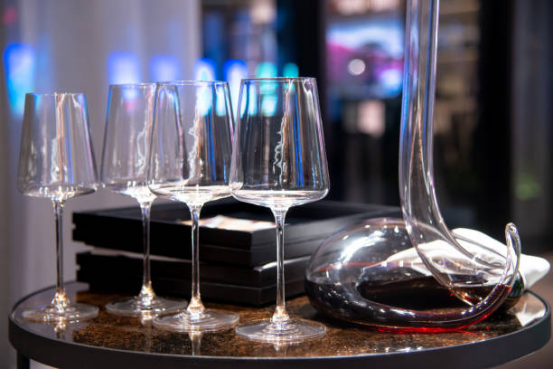
- Wine decanter enhances the aroma, keeps the temperature longer, and gives it a more elegant appearance.
- Flexible recipes: Spices, fruits, and sweetness can be adjusted to suit individual tastes.
- Suitable for various occasions: parties, drinking alone, or outdoor activities.
As the cold wind blows through the window, you slowly prepare mulled wine in the kitchen, pouring it into a delicate wine decanter. The aromas of orange peel, cinnamon, and the warm aftertaste of brandy gradually fill the air. At this moment, winter seems to soften. Next winter night, why not try this classic recipe to add a touch of warmth and elegance to your winter days?