
If you’re researching wine styles or curious about why some red wines are so fruity yet have such smooth tannins, then the combination of wine decanter and carbonic maceration is worth exploring. Today, we’ll discuss this fascinating topic, from winemaking techniques and flavor characteristics to how a wine decanter can enhance your drinking experience.
I. What is the carbon dioxide impregnation method?
Carbonic maceration (CM) is a very special winemaking method: instead of crushing and fermenting the grapes, whole bunches of uncrushed grapes are placed in a sealed tank and then filled with carbon dioxide gas to make the tank oxygen-free.
In this anaerobic environment, intracellular fermentation begins inside the grape cells, rather than the traditional yeast-dominated fermentation.
The specific mechanism is as follows: when carbon dioxide fills the tank and oxygen is lacking, grape cells convert glucose into alcohol, CO₂, and some aromatic substances to obtain energy. As alcohol gradually accumulates (to about 1–2%), the grape skins rupture, releasing juice.
II. Why is the carbon dioxide impregnation method worthy of attention?
1. Distinctive flavor characteristics
Wines made using the carbonic maceration method are typically low in tannins and intensely fruity. They often exhibit bright, youthful aromas such as cherry, bubblegum, banana, and strawberry.
For example, classic Beaujolais Nouveau is made using this technique, which makes it very refreshing and fruity, making it perfect for young people.
2. Lightweight structure, easy to drink
Because the extraction of tannins is relatively weak during fermentation, maceration wines usually have moderate acidity and soft tannins and can develop their flavor without long aging.
3. Representative styles and classic varieties
This technique is particularly well-suited to the Gamay variety, which produces wines that are very typical of Gamay, characterized by vibrant fruit flavors and a light palate.
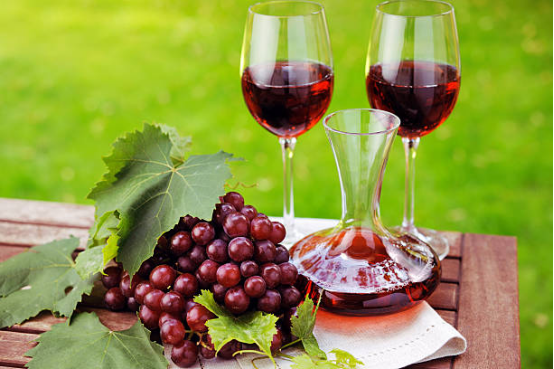
III. Why you might prefer this wine with Wine Decanter
When people talk about wine decanters, many think of aerating and removing sediment from aged red wine. But for wines produced using the carbonic maceration method, decanting is also very important:
- To release aromas,
these wines have rich fruit and ester aromas (such as bubblegum and cherry). Pouring the wine through a wine decanter can release these aromas faster, allowing you to smell them more quickly. - Controlling Residual CO₂:
Although carbon dioxide maceration is not for large bubbles (it differs from sparkling wine), these wines may still contain some residual CO₂. Gently swirling the wine in a decanter or allowing it to come into contact with air can help release some of the carbon dioxide, making the wine smoother. - improves texture
by increasing the surface area of the wine in contact with air, which helps to balance acidity, soften the body of the wine, make the fruit aromas more prominent, and make the taste smoother.
IV. How to optimally treat carbonic macerated wines using Wine Decanter
To maximize the flavor of this wine, you can consider the following methods:
- Pour the wine slowly into the decanter: Avoid pouring too quickly, which could cause a sudden release of CO₂ and excessive foam.
- Let the wine “breathe”: After pouring in the wine decanter, let it sit for a few minutes to allow the aromas to slowly unfold.
- Gently rotate or swirl: If there is still a slight amount of residual carbon dioxide in the wine, gently swirl or rotate it to carefully release the gas.
- Serving temperature: This type of wine is generally best served slightly below room temperature, such as slightly chilled, which helps to enhance the fruit aroma.
V. Suitable Drinking Scenarios for Carbonic Infusion
This style of wine is very versatile and particularly suitable for certain occasions:
- For gatherings with friends/picnics
Youthful, fruity, carbonic macerated wines are the perfect lively addition to any party. Their aromas are quickly released when poured into a wine decanter, making them easier to appreciate while chatting and sipping. - A light and refreshing summer meal:
If the weather is hot, it’s a very enjoyable experience to let a light, fruity, and bright macerated French wine cool and breathe slightly in a decanter before pouring it out. - of wine
is simple in structure and easy to drink, making it ideal for training sensitivity to grape aromas and fruit flavors.
VI. Analysis of the reasons why “you might like it”
- Distinctive yet uncomplicated: unlike wines that require aging and have a heavy structure, it is young, bright, and approachable.
- A decanter enhances the aroma: Pouring wine with a wine decanter is not just about oxidation but also a way to release aromas and soften the texture.
- Highly versatile: It can be enjoyed in casual settings as well as showcase its fruity charm in formal occasions.
VII. Some common misunderstandings and precautions
- Misconception: Wine macerated with carbon dioxide is sparkling wine
. This is not true. True sparkling wines have CO₂ dissolved under high pressure (like Champagne), while carbon dioxide maceration only utilizes the CO₂ fermentation mechanism and does not necessarily create a large number of bubbles. - Misconception: This wine cannot be aged
. Yes, this type of wine is generally not suitable for long-term aging because it has low tannins. However, its flavor is designed for young drinking. - handling CO₂,
be careful not to agitate the drink too vigorously to avoid releasing the bubbles too quickly. Be gentle when decanting.
VIII. Summary: Why you are “very likely” to like this combination
- Carbon dioxide maceration is a winemaking technique that produces wines with rich fruit aromas and soft tannins that are suitable for young drinking.
- Pouring this wine with a wine decanter can release its aromas, remove residual CO₂, and improve its taste.
- This combination of wine and wine decanter is perfect for gatherings with friends, summer meals, or as an introductory wine.
Conclusion
If you haven’t tried a wine made using the carbonic maceration method yet, I highly recommend you pick one up next time. Pour it into your favorite wine decanter and let the wine slowly “breathe”—you’ll likely be amazed by the fresh fruit aromas and smooth texture. Whether as an everyday choice for wine lovers or as a signature style recommended by a brand, this combination is worth exploring. Cheers!