Wine Decanter and Low-Carb Wines: A Guide to a Healthy Balance of Elegant Drinking

For those committed to a low-carb diet, finding a balance between health and enjoyment is no easy feat. The good news is that wine decanters can not only enhance the aromas of wine but also make the flavors of low-carb wines purer and more elegant.
In this article, we’ll delve into how to choose low-carb wines, how to pair them with the right wine decanter to optimize the taste, and how to maintain a sense of ritual in a low-carb lifestyle.
I. Why Low-Carb Dieters Need Wine Decanter Even More
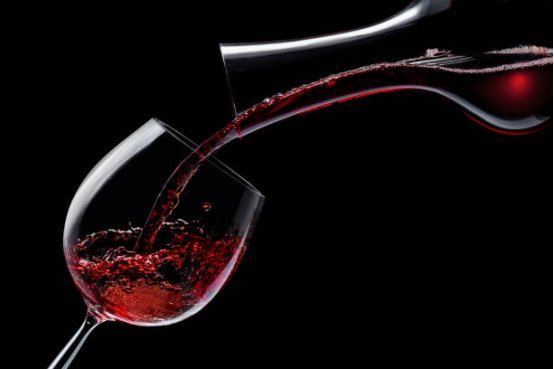
Low-carb diets emphasize reducing carbohydrate intake, but this doesn’t mean you have to give up wine. A wine decanter is not just about “pouring wine more elegantly” but also about allowing the wine to unfurl in the air and release its sealed aromas, thus revealing a richer complexity in sugar-free or low-sugar wines.
Generally, low-carb wines (≤3 g carbohydrates per 750 ml) tend to be slightly harsh on the first sip due to their lower sugar content and higher tannin content. Decanting with a wine decanter for 10-20 minutes in this case softens the tannins, enhances the aroma, and significantly improves the overall taste experience.
- Tip: Choose a wine decanter with a wide base and narrow neck to allow for full contact between the wine and air, making it an ideal choice for decanting dry wines.
II. How to Choose Low-Carb Wines That Pair Perfectly with Wine Decanter
To find low-carb wines that align with dietary principles and are suitable for decanting, you can start with the following categories:
1. Dry red wine—the classic partner for decanters.
Dry red wines such as Cabernet Sauvignon, Syrah, and Pinot Noir contain only 1-2 grams of carbohydrates per bottle, have more thorough fermentation, and have extremely low residual sugar. Decanting with a wine decanter for about 20 minutes allows aromas of blackcurrant, tobacco, and vanilla to fully develop.
These wines have a well-rounded structure and are particularly suitable for pairing with meat or low-carb, high-protein dishes.
2. Dry white wine—a refreshing choice with a light and airy taste.
Dry white wines such as Chardonnay and Sauvignon Blanc should not be decanted for too long (about 5 minutes). Using a small wine decanter can effectively enhance the layers of citrus and floral aromas, making the wine smoother and brighter.
Those on a low-carb diet can pair them with seafood, salads, and white meats to satisfy their taste buds while keeping their meals refreshing.
3. Dry Sparkling Wines and Champagne—Surprising New Uses for Decanters
Many people believe that Champagne doesn’t need decanting, but the opposite is true. For Brut (very dry) Champagne, a wine decanter helps retain the bubbles while enhancing the aroma. Pour gently and tilt slowly to avoid excessive degassing, and you can enjoy the elegant aroma of low-sugar Champagne.
III. Practical Tips for Choosing a Wine Decanter
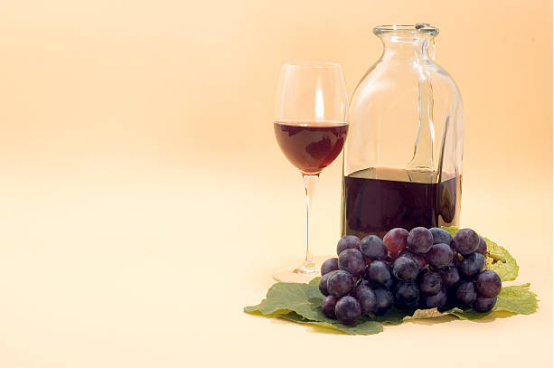
Choosing the right wine decanter is not only about appearance but also directly affects its decanting effect. Here are some purchasing suggestions:
- Prefer glass or crystal as the material: the transparent material makes it easier to observe the changes in the wine and is also more visually appealing.
- Wide at the bottom and narrow at the neck: This accelerates oxidation and allows the wine to release its aroma more quickly.
- Easy-to-clean design: Low-carb dieters usually value health and cleanliness, so they feel more at ease choosing models that are removable, washable, and made of lead-free materials.
- Capacity matching scenario: A 750 ml standard bottle corresponds to a medium-sized decanter; if you usually drink small amounts in a single glass, you can choose a mini wine decanter, which is more portable and easy to use.
IV. Advantages of Wine Decanter in Low-Carb Diet Scenarios
From a health perspective, a low-carb diet aims to control sugar intake and stabilize blood sugar levels. Using a wine decanter while enjoying wine can further help drinkers to “sip slowly and deliberately.”
The decanting process slows down the drinking pace, psychologically reducing the unconscious need for refills; at the same time, wines decanted are smoother and do not need sugar to improve their taste, naturally reducing the risk of ingestion.
In addition, the wine decanter itself symbolizes a lifestyle—it reminds people to maintain balance and a sense of ritual in their eating habits, making “health” less monotonous and “enjoyment” more rational and warm.
V. Wine Decanter’s Practical Guide to Drinking Alcohol for Low-Carb Diets
to limit consumption
to no more than 150 ml per day, approximately one glass.
Using a wine decanter to decant the wine before sipping allows you to better appreciate the changing flavors; excessive consumption is unnecessary.
Pairing with low-carb foods
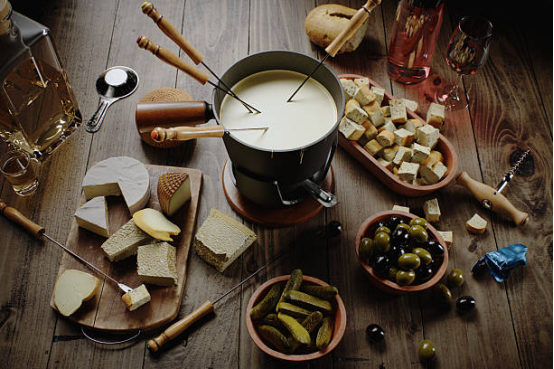
is recommended. It can be paired with high-protein, low-carb dishes such as cheese, nuts, grilled chicken breast, and cod fillets, which can both enhance the flavor of the wine and maintain dietary principles.
Avoid hidden sugar traps:
Some fruit-flavored wines or flavored wines, though labeled “low sugar,” may contain artificial sweeteners. Decanting can help assess the purity of the aromas—natural aromas without artificial odors are generally healthier.
Cleaning and Storage of Wine Glasses:
After decanting, clean the wine decanter immediately with warm water and a soft brush to avoid limescale affecting the clarity. Let it air dry and then store it upside down in a well-ventilated area.
VI. Conclusion: Savor the Ease of Life with Wine Decanter
A low-carbon lifestyle doesn’t mean being boring, nor does it mean giving up small joys. An elegantly designed wine decanter can not only bring out the richer aromas of wine but also add a touch of slow-paced romance to life.
When you pour a glass of low-carb red wine under the night light and watch the wine slowly swirl in the decanter, mingling with the air and aroma, you’ll realize that
“Health” and “enjoyment” are not contradictory at all; they only require a little patience and a wine decanter that understands you.