What happens in the vineyard in winter? Explore the winter life of grapevines and horticultural management

In winter, vineyards seem to enter a world of silence—branches bare, leaves long fallen, and a blanket of chill blankets the earth, giving the illusion that everything has paused. However, a closer look reveals that this winter silence actually conceals the rhythm of life. For grapevines, winter is not a true dormancy but a crucial period of recuperation—they quietly accumulate energy, repair themselves, and prepare for the coming harvest. Horticulturists, meanwhile, are busy braving the chill to ensure the vines survive the winter. As a wine lover, imagining the rich aromas of spring wine poured into a wine decanter fills me with curiosity about this season.
Table of Contents
1. Winter dormancy of grapevines: a natural recuperation period
Every autumn and winter, grapevines enter a state similar to hibernation. Starting around November, growth gradually ceases, leaves slowly fall off, and the vines appear bare and lonely. This low metabolic state isn’t a sign of depression but rather a way for the vines to recharge—transporting nutrients accumulated in the autumn to their roots and trunks. Just as we enjoy curling up in a warm bed to rest during the cold winter, grapevines quietly accumulate energy for spring’s resurgence.
Although the vines appear silent during this period, their vital activities continue—their roots continue to absorb water and nutrients from the soil, preparing to sprout new buds the following year. These root activities directly influence the flavor and structure of the future wine. Imagine new buds emerging in spring and the ripe grapes finally being poured into the wine decanter—all these subtle adjustments of life are quietly completed during this winter.
2. Gardeners’ winter management tasks: laying the foundation for spring
While the vines are dormant, vineyard management never stops. Winter is a golden period for horticulturists to observe, prune, and plan for the future. Through a series of meticulous operations, they ensure the healthy growth of the vines and lay the foundation for high-quality winemaking.

1. Winter pruning: shaping the future vines
Winter pruning is undoubtedly one of the most important aspects of vineyard management. Horticulturists carefully inspect each vine, pruning away overgrown, weak, or pest-infested branches, leaving only healthy, structurally sound ones. This not only helps the vines conserve energy but also ensures adequate ventilation and sunlight for the new shoots that sprout in the spring, thus reducing the risk of pests and diseases. The pruned vines are like a message: “Next year, I will grow even better.”
2. Checking the support and facilities: ensuring smooth spring growth
Grapevines rely on supports for growth, and winter is the perfect time to inspect these structures. Horticulturists inspect each row of vines to ensure the supports are secure, repairing or replacing any damaged ones. Imagine if these supports weren’t strong enough in the spring; the young buds could be broken by the wind, impacting future grape harvests. These winter preparations are crucial to ensuring the quality of the wine.
3. Pest and disease control: prevention first
Cold weather doesn’t completely prevent the activity of pathogens or pests. Some pests overwinter in the soil, on vine stumps, or in cracks. Therefore, horticulturists implement appropriate preventative measures, such as spraying fungicides or insecticides, to ensure healthy vine growth the following year. This seemingly minor preventative measure is crucial to maintaining a pure wine flavor.
4. Soil Management: Providing Nutrition for Spring
Winter is also a good time to address soil issues. Horticulturists will check the soil’s pH, nutrient content, and drainage, applying fertilizer, tilling, or adjusting the soil structure as needed. Healthy soil means strong root systems for the vines, providing ample nutrients for the grapes, resulting in richer, more robust wines for the wine decanter.
3. Winter landscape of the vineyard: tranquil yet poetic
Though dormant, the vineyards are anything but monotonous. Bare branches form captivating lines in the morning mist or frost, resembling natural art installations from afar. The winter sun shimmers on the snow- or frost-covered vines, creating a shimmering effect that beckons for photos. For photography enthusiasts, winter vineyards offer a stunning backdrop for capturing the beauty of nature. For wine lovers, this tranquility symbolizes the resilience and hope of life—just as the vines, nurtured by winter, will produce even more fragrant wines the following year.
4. Differences in winter management of vineyards in different regions of the world
Winter vineyard management focuses on different climatic conditions. In cold regions, horticulturists may need to cover the vines with insulating materials to protect them from frost damage; in warmer regions, they focus more on pest and disease control and soil management. Sometimes, horticulturists even adjust pruning intensity and fertilization strategies based on the flavor profile of the future wine—meaning that every winter operation may affect the aroma of the wine in the future decanter.
5. The connection between winter vineyards and wine
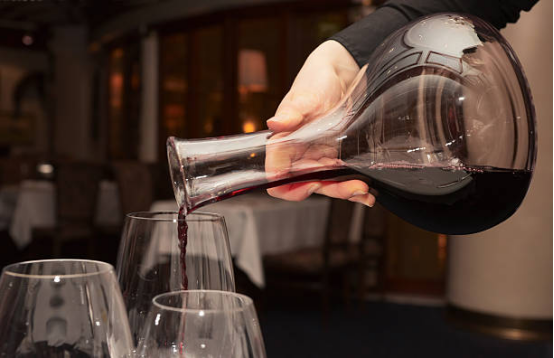
From winter vine care to the gardener’s meticulous pruning and soil management, everything quietly influences the quality of the wines coming next year. Spring’s new buds, summer’s fruit, and autumn’s harvest—each step is inextricably linked to winter’s labor. Imagine these meticulously cultivated grapes transformed into fine wine, pouring it into a wine decanter and gently swirling it. The aroma that emerges is the ultimate reward for all that winter’s hard work.
6. Conclusion: Feeling the Life and Care in Winter
While winter vineyards may appear silent, they are actually brimming with vitality and anticipation. Vines gather strength in the cold, while horticulturists toil diligently in the chilly winds. All this is for the sake of a bountiful harvest and enhanced wine quality next year. As wine lovers, while we savor the aroma of wine, we should also cherish the invisible labor and natural adjustments that go into the vineyards during winter. The next time you pour wine into a wine decanter and gently swirl it to release its aroma, consider the vitality nurtured in the silence of winter—the very soul of this fine wine.