What temperature should wine be stored at? — A secret guide for everyone who knows wine

Have you ever experienced this?
You buy a bottle of your favorite red wine, thinking of saving it for a special occasion, but then worry about it spoiling. Wine, unlike other beverages, is a living liquid that changes with temperature and time.
Of all the storage conditions, temperature is the most overlooked, yet the most crucial.
Some people think that refrigerating wine is the only way to preserve it, but the truth is too much heat or too little heat can ruin its essence.
If you enjoy using a wine decanter to slowly decant your wine, you’ll appreciate the impact of temperature on the aromas.
In this article, we’ll discuss the ideal temperature for storing wine.
1. Why is temperature so important to wine?
Wine, like a work of art, is particularly sensitive to its environment. The slightest temperature instability can cause its aroma to dissipate, its acidity to dull, and even premature aging.
Even unopened wine can become “ripened by time,” losing its balance in taste, if left at the wrong temperature for extended periods.
The ideal storage state is not simply refrigeration but a constant, gentle, and slightly active balance.
This is why many professional wine cellars are controlled at a stable, constant temperature system—it is the safest “hibernation zone” for wine.
2. General “golden temperature range”: 10-16°C (50-60°F)
Almost all authoritative data point out that
The best storage temperature for wine is between 10 and 16°C, and the “sweet spot temperature” is 12 to 15°C.
- At this temperature, the chemical reactions in the wine are slow and stable, and it will not mature prematurely.
- Oxidative side reactions are kept to a minimum;
- The balance between aroma and acidity is the most natural.
In other words, wine ages gracefully within this temperature range, like a traveler napping in a cozy cellar.
If you prefer using a wine decanter to decant your wine, you’ll also be able to more clearly experience the subtle changes in aroma released by wines stored at this constant temperature.
3. Temperature differences between different types of wine
Red Wine
- Red wine has a slightly better tolerance but is also sensitive to heat.
Experts generally recommend a safe range of 13–18°C (55–65°F). - Strong wines (Cabernet Sauvignon, Bordeaux, etc.) can be slightly higher, around 17–18°C.
- Light fruity wines (Pinot Noir, Gamay, etc.): 13–15°C is recommended;
Over 20°C? It’s like stewing wine; the aroma will be dull, and the taste will collapse.
If the red wine is too hot, it will be difficult to restore the original taste even if you use the best wine decanter when decanting.
White wine/Champagne/Sparkling wine/Dessert wine
These wines are more delicate and afraid of heat and temperature differences.
Generally, a lower temperature is recommended:
- Sparkling wine and Champagne: about 5–10°C (41–50°F);
- Dry white wine: 7–13°C;
- Sweet white or ice wine: Serving it colder will preserve the sweet and sour balance.
If you store liquor too hot, its aroma will dissipate, while if you store it too cold, it will “freeze the soul.”
The best way is to store it in a temperature-controlled wine cabinet, allowing it to “breathe” safely in the ideal range.
Fortified and specialty wines (port, sherry, etc.)
This type of wine does have a longer shelf life due to its high alcohol content, but it still tolerates extreme temperature fluctuations.
It’s also recommended to keep it between 10 and 16°C, away from light, shock, and kitchen heat.
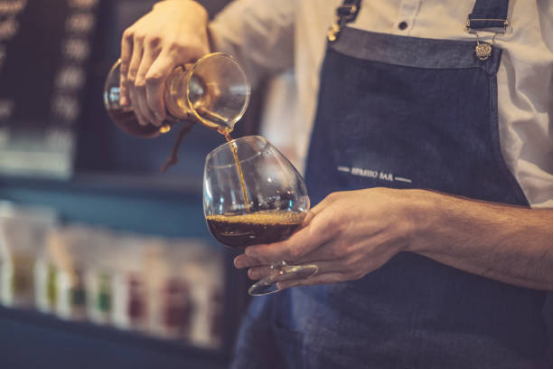
4. Temperature Fluctuations: A More Terrible Enemy Than High Temperatures
Many people only care about whether the temperature is low enough but ignore whether the temperature is stable.
In fact, frequent temperature changes are the hidden killer of wine.
The “breathing effect” inside the bottle:
temperature rises → the wine expands → air is squeezed out;
temperature drops → the wine contracts → air is sucked in.
This cycle repeats, allowing oxygen to enter the bottle and prematurely oxidize the wine.
High temperatures can cause wine to over-mature:
For every 10°C increase in temperature, the rate of chemical reactions nearly doubles, resulting in an unbalanced aroma and a loose structure, making the wine taste like “stale jam.”
Low temperatures are not foolproof either.
Excessively low temperatures can cause the cork to be squeezed out and crystals to form in the bottle. Condensation and sediment often occur, especially when the temperature is quickly returned to normal from a low temperature.
So, whether you use a wine cabinet or temporarily place the wine in a wine decanter, remember:
Temperature stability is always more important than coldness.
5. Practical suggestions for home wine storage
1. If you have the conditions: buy a constant temperature wine cabinet/small wine cellar
For those who have a large collection and often taste wine, a good wine cabinet is definitely worth it.
When choosing, pay attention to the following points:
- Dual temperature zone design (separate for red wine and white wine);
- Constant temperature 12–15°C;
- Humidity 60–70% to prevent the cork from drying out and cracking;
- UV-resistant glass door with a low vibration system.
Some high-end models even come with a display shelf where you can place your frequently used wine decanter for easy display and decanting.
2. No wine cabinet is a problem
Most homes can “simulate a wine cellar” with a few tricks:
- Choose a location in your home with a stable temperature and out of direct sunlight (such as a storage room, interior wall cabinets, or a shaded area in the hallway);
- Avoid being near the kitchen, air conditioning vents or windows;
- Place the corked bottle horizontally so the wine is in contact with the cork.
- Cover with shade cloth to reduce light exposure;
- In summer, you can temporarily use air conditioning or an insulated box to help cool down.
- As long as the environment is stable enough, your wine can also “sleep peacefully like a cellar” at home.
3. Storage temperature after opening the bottle
Wine becomes more fragile after it’s been opened.
What if you can’t finish it?
- Use vacuum plugs or inert gas sprays;
- Store in the lower layer of the refrigerator;
- White wine and champagne should be kept colder, while red wine can be kept slightly warm.
If you like to use a wine decanter, remember not to keep the wine for long after decanting. It’s best to consume it within the same day. Otherwise, even the best wine will be unable to stop oxidation.
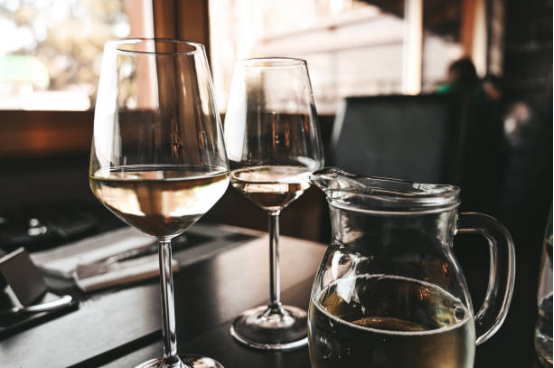
6. Wine Storage Temperature Chart (Collector’s Quick Reference)
| Alcohol/Scene | Storage temperature | suggestion |
| General Collection Wine | 10–16°C | Constant temperature is the most important |
| Ideal point (sweet spot temperature) | 12–15°C | Experts generally recommend |
| red wine | 13–18°C | The structure can be slightly higher if it is strong |
| White wine/dry white | 7–13°C | Retain fruity and fresh aroma |
| Sparkling wine/Champagne | 5–10°C | Afraid of heat, low temperature is best |
| Short-term storage after opening | Slightly lower than drinking temperature | Sealed and refrigerated |
7. Conclusion: Constant temperature is the secret to elegant wine storage
To sum it up in one sentence:
Constant, gentle, not too cold, not too hot—this is the ideal home for wine.
If you want a bottle of wine to retain its charm for years to come, don’t overlook temperature.
Instead of worrying about “how cold it should be,” start by asking it to “stay still.”
After all, a good bottle of wine should be kept quietly at a suitable temperature.
When you pick up the wine decanter and gently pour it, the aroma and time will truly blend into a romantic echo.