When to start using a wine decanter: Tips for opening a bottle before and after

Introduction: More than just a decoration, the magic of a decanter
If you’re a wine lover, you’ve probably heard the term “decanting,” but do you truly understand its purpose? A wine decanter might seem like a fancy decoration, and many might think that wine is simply opened and drunk and that decanters are not always useful. However, this seemingly simple tool, when used at the right time, can truly transform a bottle of wine’s flavor.
But the question is, when should you use it? Should you use it before opening the bottle or after the wine is poured into the glass? This question can be confusing for many wine lovers. Today, we’ll discuss the timing of using a wine decanter so you can enjoy every sip just right, tailored to the type and age of the wine.
Wine Decanter Secrets: Essential Functions You Need to Know
Before we delve into when to use a decanter, we need to first understand what exactly a wine decanter does. Simply put, the core function of a wine decanter is to allow wine to come into contact with air, increasing the wine’s oxidation process, thereby releasing the wine’s aroma and taste.
1. Help the wine oxidize: let the wine “breathe.”
The tannins, acidity, and various flavor compounds in wine are usually kept relatively closed in a sealed bottle. After a period of oxidation, the wine becomes more balanced, and its aroma becomes richer. By increasing the contact surface between the wine and the air, the wine can “breathe” faster, thus allowing it to “open up” faster.
2. Remove sediment: make the wine purer
Some older wines often have sediment at the bottom of the bottle, which not only affects the taste but also ruins the appearance of the wine. Using a wine clarifier can effectively separate these sediments from the wine, ensuring that every sip of wine you drink is clear and pure.
3. Improve wine body: enhance the delicate taste
If you’ve ever had a freshly opened bottle of red wine, you might find it a bit harsh, especially a full-bodied variety like Cabernet Sauvignon. A wine decanter can help soften the tannins more quickly, making the wine rounder and more harmonious.
So, when should you use a wine decanter?
Before you open the bottle: Why is it sometimes better to use it earlier?
Isn’t it just for letting the wine “breathe”? So why not just put the wine in after opening the bottle? Actually, not all wines are suitable for decanting after opening. For certain types of wine, using it before opening the bottle often works better.
Wines suitable for using a decanter before opening the bottle
- Young red wines: Tightly structured wines like Cabernet Sauvignon often have strong tannins and a slightly astringent taste. Using the wine early allows the wine to be exposed to air more quickly, which can quickly relieve the wine’s tightness and release its aroma and flavor.
- Full-bodied wines, such as Syrah or Merlot, are typically heavier in body and have complex aromas. Decanting the wine early allows it to open up quickly, making the flavors richer and more distinct.
How to do it?
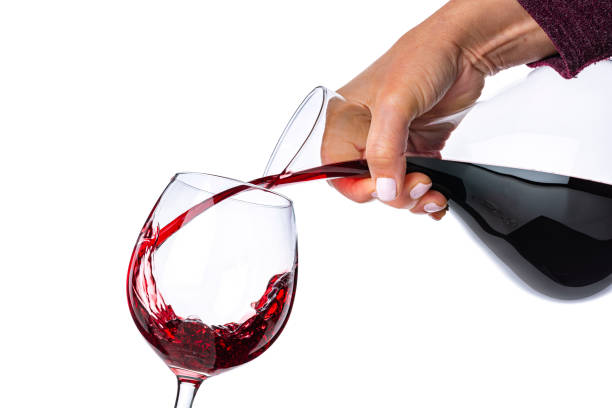
It’s actually quite simple: simply pour the wine into a wine decanter before opening it. This increases the wine’s surface area and allows it to interact with oxygen, accelerating the oxidation process. Generally, 30 minutes to an hour of resting allows these wines to quickly reach their peak.
After opening the bottle: Another magic of the decanter
Of course, the best time to decant most wines is after you open the bottle. After you open the bottle, the wine has already started to come into contact with air, and using a decanter at this time can help the wine continue to improve its flavor, especially for those wines that have already partially “breathed.”
Wines suitable for using a decanter after opening the bottle
- Mature red wines, such as Bordeaux or Burgundy, have become relatively smooth after years of brewing. Using this not only removes sediment from the bottle but also helps the wine open further, releasing more delicate aromas and flavors.
- Wine with sediment: If it is some old wine, or sweet wines like port and sherry, they usually have some sediment. A wine decanter can help you easily remove these impurities and make the wine taste smoother.
How to do it?
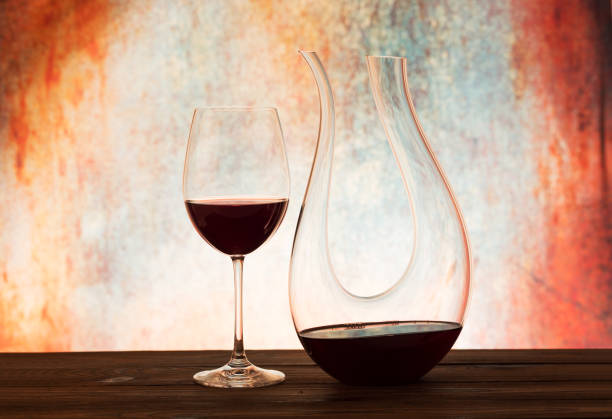
You can pour the wine directly into the bottle without shaking it to prevent sediment from entering the wine. After pouring, let it sit for 30 minutes to an hour. You will usually notice a change in the wine: richer aromas and a smoother taste. Oxidation during this period can give the wine more layers and complexity.
Decanting time: It’s more than just pouring into a container
When it comes to decanting, timing is crucial. Decanting for too long or too short a time can affect the wine’s performance. Different types of wine require different decanting times, and this time isn’t fixed.
Reference sobering time:
- Young red wines (such as Cabernet Sauvignon and Merlot): Usually 1-2 hours of decanting time is required, especially for those with rich tannins. The longer the decanting time, the smoother the wine will be.
- Mature red wine (such as Bordeaux): 30 minutes to 1 hour is enough. Too long of an oxidation time may cause the wine to lose its complexity.
- White wine: Decanting time is shorter, usually 10 to 20 minutes, to avoid excessive oxidation.
- Sweet wines (such as port and sherry): between 15 and 30 minutes. Some wines can even be enjoyed directly without using it.
Tips: How to maximize the effect of decanting
- Taste the wine first: Before decanting, take a sip to see how it tastes and whether it needs to be used. You can pour out a small amount of wine first, taste its taste, and then decide whether to decant it.
- Decanting in stages: If you’re unsure about the wine’s performance, try decanting in stages. For example, pour a portion of the wine, let it sit for 30 minutes, and then pour the remaining wine for comparison.
Summary: Let the decanter become your good helper for wine tasting
The timing of using a wine decanter varies, depending on factors such as the type of wine, its age, and personal taste. Whether before or after opening a bottle, the key to using a wine decanter is to allow the wine to fully experience air and release its aroma and flavor. Next time you open a bottle of wine, remember to give it a moment to let every drop of liquid fully express its charm.
The magic of a wine decanter is that it allows you to experience more layers and depth in the world of wine. Next time, don’t forget to use a decanter to give your wine a chance to release its most perfect flavor.