Have you ever noticed that when you enter a European home, whether it’s a log cabin in a French town or an apartment in an Italian city, you’ll almost always see a decanter on the dining table? At first glance, you might think it’s just a pretty glass container, but in reality, the wine decanter has long transcended its function; it embodies culture, etiquette, aesthetics, and a lifestyle.
luxury butIn Europe, pouring wine into a wine decanter is not a luxury, but a habit, a family ritual. Almost every household owns one, which has deep historical roots and reflects Europeans’ love for wine and their attitude towards life.
Table of Contents
1. The Historical Origins of Wine Decanter
time andThe history of decanters dates back hundreds of years. The earliest decanters were probably made of earthenware or metal, and their core purpose was to remove sediment and improve the taste. In ancient Greece and Rome, people discovered that sediment would form in wine after it had been stored in the bottle for a long time, and that pouring it into another container could make the wine clearer.
With the development of glassmaking techniques, Venetian glassmakers in the 17th century created decanters with slender necks and wide bases, which were almost the prototypes of the modern wine decanter. It not only allowed the wine to come into contact with air but also made its color and aroma clearly visible, becoming a cultural symbol of banquets at the time.
By the 18th century, wine decanters had become popular in European aristocratic households, serving not only for pouring wine but also as a symbol of etiquette and aesthetics. The act of decanting wine at banquets demonstrated the host’s respect for guests and reflected the refinement and ritual of life.
2. Wine culture has made Wine Decanter a household name.
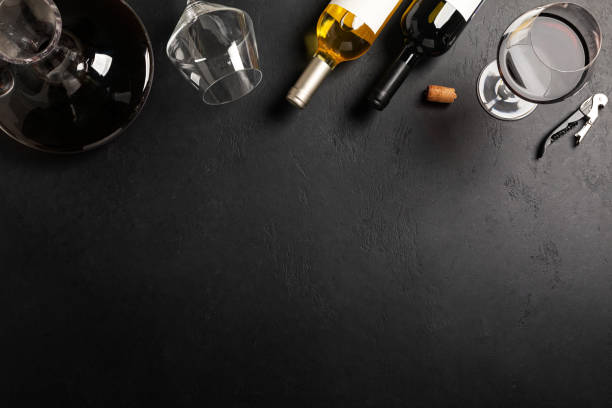
wine butIn wine-producing regions like France, Italy, and Spain, wine has long been an integral part of daily life. Europeans not only drink the wine, but also enjoy the process of drinking it.
cheese andFor example, the French almost always pair wine with dinner, with red wine and cheese, and white wine and seafood being natural pairings. Pouring wine into a wine decanter has become a habit—family members will pour it into a decanter beforehand, allowing the wine to slowly “breathe” and its aromas and flavors to gradually unfold.
This seemingly simple act reflects a respect for life. For European families, the Wine Decanter is more than just a tool; it’s an expression of a lifestyle: slowing down to enjoy good food, fine wine, and the company of family and friends.
3. Functionality: The practical value of a decanter in the home
One of the key reasons why Wine Decanter is so popular in European households is its practicality.
3.1 Release aroma
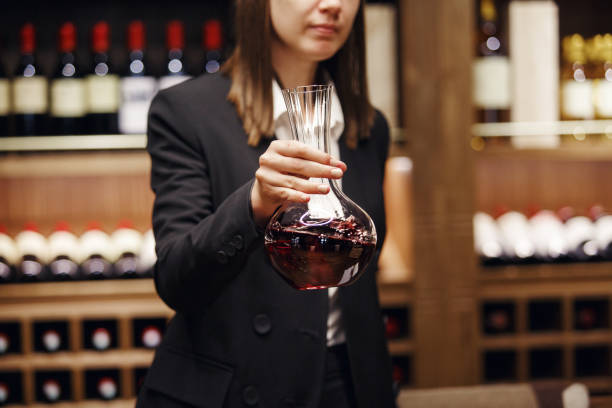
When wine is sealed in a bottle for a long time, its aroma molecules are suppressed. After being poured into a decanter, the wine comes into contact with air, and the aromas are slowly released, resulting in a smoother taste. For example, a young Cabernet Sauvignon may have tight tannins and not prominent fruit aromas, but after being left to stand in a decanter for 30–60 minutes, fruit, wood, and subtle spice aromas will gradually emerge. This change makes drinking wine a “sensory game.”
3.2 Separation of precipitate
Aged red wine or unfiltered wine may have sediment at the bottom of the bottle, which can affect the taste and appearance if poured directly into a glass. Using a wine decanter can easily remove the sediment, resulting in a clear and pure wine, which is especially important for family gatherings or holiday dinners.
3.3 Enhance the sense of ritual
In European families, pouring wine into a decanter is itself a ritual. Parents pour wine to show their children about wine culture, or at gatherings with friends, slowly pouring the wine, observing its color changes, and smelling its aroma—this series of actions makes drinking more ceremonial and also strengthens interpersonal relationships.
4. A bond between social and family culture
Wine decanters not only enhance the taste but also serve as a social bridge. In Europe, family gatherings and festive banquets are often central to interpersonal interactions, and decanters amplify this experience.
- The host’s thoughtfulness is evident in pouring the wine into a decanter, demonstrating the host’s respect for the guests.
- Visual enjoyment: The clear liquid and elegant shape make the dining table more beautiful.
- Interactive experience: Pouring wine, smelling the aroma, and tasting the wine become activities that everyone participates in.
the wineOver time, wine decanter has become a “natural presence” on family dining tables and is part of European family culture.
5. Market and cultural factors drive household use.
Decorator market data shows that Europe dominates global wine decorator consumption, accounting for approximately 38% of the market share.
Reasons include:
- Abundant wine resources: France, Italy, Spain, and Germany have high per capita wine consumption, so it is natural for households to keep decanters on hand.
- Popularize cultural education: Schools, families, and the media should all promote wine culture and make decanters common knowledge.
- Lifestyle Upgrade: Modern families value a sense of ritual and quality of life, and the Wine Decanter meets both aesthetic and practical needs.
6. Practical Tips: Using Wine Decanter at Home
To maximize the effectiveness of Wine Decanter, here are some tips:
- Slow pouring: Pour the wine slowly along the side of the bottle into the decanter to reduce foam.
- Leave sediment in the bottle: This is especially important for older red wines.
- Decanting time: 30-60 minutes for young wines and a shorter time for older wines.
- Food pairings: Red wine with meat and cheese, white wine with seafood and salad.
These simple steps not only enhance the aroma and taste of the wine but also make drinking at home more ceremonial.
H2 FAQ: Decanter and European Families
Q1: Why do almost every European household own a decanter?
A: With a deep-rooted wine culture, decanters are both practical and part of the ritual of life.
Q2: Do all wines need decanting?
A: Young wines with high tannins are more suitable, while light white wines usually are not.
Q3: Can a decanter really improve the taste?
A: Yes, oxidation releases aromas and smooths the taste, making the drinking experience richer.
Q4: How long should wine be decanted?
A: 30-60 minutes for young red wines, and a shorter time for older wines, depending on the type of wine.
Summarize
Why do almost every European household own a Wine Decanter? Here’s a summary:
- Deep cultural tradition: Wine has long been integrated into daily life, and decanters are widely accepted.
- Combining function and aesthetics: it removes sediment and releases aroma while enhancing the beauty of the dining table.
- Etiquette and social value: indispensable for family gatherings and holiday dinners.
- Education and habit formation: Exposure to wine culture from a young age, making decanting common sense.
- The market is mature: wine consumption and demand for home decanters are stable.
Simply put, the wine decanter in Europe is not just a drinking instrument but a combination of cultural symbol, lifestyle, and social ritual. The next time you see it, take a moment to reflect on the history and cultural stories behind it.
Related Posts

Why do high-end restaurants insist on using Wine Decanter?
- Posted by Alva Edgeworth
My best wine gift: Wine Decanter
- Posted by Alva Edgeworth
Why are young people today becoming obsessed with Wine Decanter?
- Posted by Alva Edgeworth
The Relationship Between Wine Decanter and Wine Culture
- Posted by Alva Edgeworth