How to tell if a wine decanter is properly decanted? A complete guide to practical methods.

When you pour a bottle of wine into the wine decanter, have you ever wondered how long it should breathe and when it is “just right”? Many people blindly wait based on time or simply open the bottle randomly, ignoring the unique character of each wine. In reality, judging whether a wine is properly decanted depends on observation, smelling, and tasting, not simply staring at a clock. This article will combine decanting principles with practical experience to teach you several useful methods for judging whether a wine is properly decanted, ensuring that every wine decanter visit yields its maximum value.
Table of Contents
Why can’t we rely solely on a fixed time to sober up?
First, you need to understand that the decanting time for wine is not fixed. The type of wine, vintage, and body structure all affect the oxidation rate:
- Young, high-tannin red wines: These wines have a heavy tannin content and require a longer decanting period to soften their flavor.
- Aged wines have a delicate aroma, but waking them up for too long will cause the fruity and aged aromas to be lost.
- Light-bodied white wines or sparkling wines usually do not require decanting or only require brief aeration.
In other words, focusing on superficial timeframes like “30 minutes/1 hour of decanting” is often not scientifically sound. Decanting wine relies more on your sensitivity to its aromas, flavors, and sediment. One bottle might be perfect in 20 minutes, while another needs more than an hour.
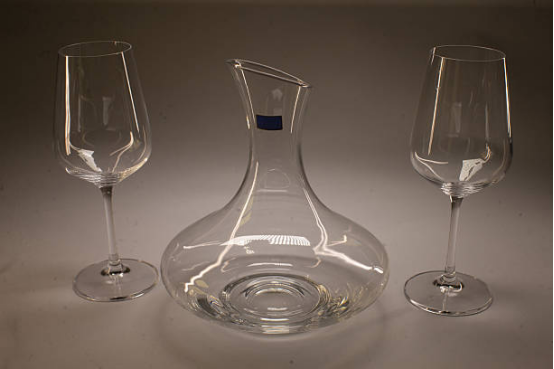
5 Practical Standards for Judging Whether Wine Has Been Properly Decanted
When using a wine decanter, you can refer to the following 5 dimensions to determine whether the wine has been properly decanted.
1. Is the aroma activated?
- first poured into the wine decanter, many wines have tightly closed aromas, with fruit and floral notes not being prominent.
- During the decanting process, the aroma is gradually released, with distinct layers: fruity, floral, oak barrel, and mineral notes intertwined.
- If the aroma is distinctly mellow, full-bodied, and stable, it indicates that the wine has gradually awakened.
Tip: 15–30 minutes after pouring the wine, smell the aroma with a clean glass and compare it to the aroma when the bottle is first opened.
2. Is the texture smooth?
- Young red wines may have harsh tannins, be slightly astringent, and have a tight mouthfeel when first opened.
- pouring in a wine decanter, the tannins slowly soften, and the wine becomes rounder and smoother.
- If the wine tastes balanced, is smooth on the palate, and leaves a clean finish, it means it has properly decanted.
Note: This judgment can be combined with the aroma to form a dual judgment method of “smelling the aroma + tasting the flavor.”
3. Is the precipitate stable?
- In aged or unfiltered wines, sediment is inevitable.
- When pouring wine, pour the decanter slowly to avoid disturbing the sediment at the bottom of the bottle.
- When the wine in the decanter is clear and the sediment is stable, it means that the decanting process has been successfully completed.
Note: Sediment not only affects the taste, but it can also tell you whether the wine has been shaken too much or decanted for too long.
4. Stable aroma and taste
- In the first 10–15 minutes after pouring in the wine decanter, the aroma changes rapidly, sometimes strong and sometimes weak.
- After a period of decanting, the aroma and taste tend to stabilize and no longer fluctuate drastically, which usually means that the wine is close to its best state.
A little surprise: If you taste that the aromas are strong or weak, don’t worry; this is normal, especially with young wines.
5. Comparative trial method
- The most straightforward method: After opening the bottle, take a small sip of the original wine, taste it, and record the aroma and flavor.
- , anddecanting with a wine decanter , taste it again. If the wine is smoother and more aromatic than when it was first opened, the decanting was successful.
- Many experienced enthusiasts prefer this method because it is the most authentic, direct, and in line with human sensory habits.
decantTips for determining when to decanting different types of wine
Young red wine / High-tannin red wine
- Objective: To soften tannins and release aroma.
- Decanting time: 30–90 minutes.
- Key criteria for judgment: smooth texture, rich fruity aroma, and no longer tight tannins.
Medium-maturity red wine
- Objective: To balance the body and stabilize the aroma.
- Decanting time: 20–45 minutes.
- layers butKey points for judgment: The aroma has distinct layers, but is not excessively oxidized.
Aged wines / Wines containing sediment
- Objective: Separate the precipitate and allow slight aeration.
- Sobering time: generally no more than 30 minutes.
- Key points for judgment: The aromas of fruit and aging are mellow, the body is smooth, and it is not pungent.
Baijiu / Light Red Wine / Sparkling Wine
- Most cases do not require decanting or only require a short period of ventilation (5–15 minutes).
- Over-decanting can ruin delicate aromas or bubble structure.
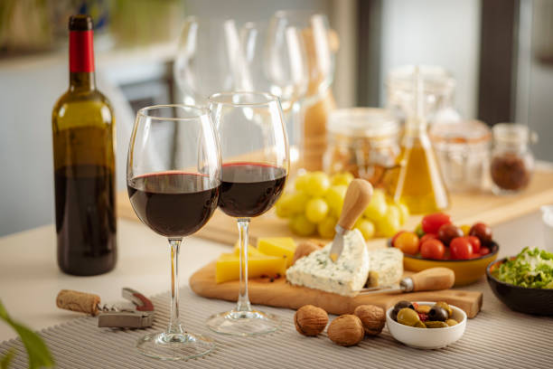
Practical SOP: Use a wine decanter to determine if the wine is properly decanted.
- After opening the bottle, pour a small amount of wine to taste and record the aroma and flavor.
- ,Slowly pour the remaining wine into the wine decanter , avoiding stirring the sediment.
- Take a small bite after 15–20 minutes and observe the changes.
- Taste again every 20–30 minutes until the aroma and taste are stable.
- If the wine is well-balanced and has a rich aroma, it’s ready to drink; if the aroma gradually fades, enjoy it as soon as possible.
- This process is more flexible and respects the characteristics of the wines more than simply relying on fixed times.
usingExperts suggest: Use taste to decide.
As the wine decanter guide states:
“The one hard rule of wine decanting is that if it tastes right, drink it!”
The meaning is simple: if it tastes right, you can drink it. The ultimate goal of decanting is to make the wine ready to drink, not to adhere to a schedule.
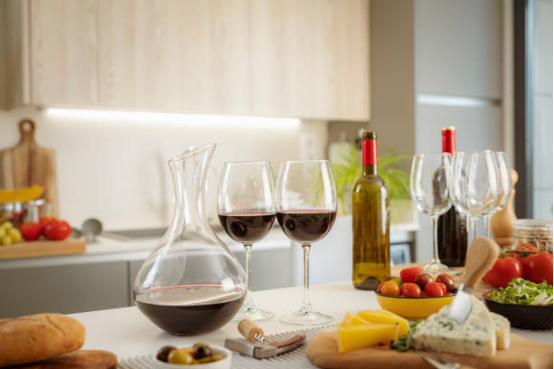
In conclusion: Assessing the state of a sober person is more important than watching the clock.
Using a wine decanter isn’t about mechanically pouring and waiting; it’s about judging when the wine is ready through observation, smelling, and tasting. By combining the five judgment criteria mentioned earlier with the comparative trial method, you can flexibly control the decanting rhythm, ensuring each bottle reaches its optimal state.
- Young, high-tannin wines: soften the palate with a wine decanter, and decanting for 30–90 minutes is sufficient.
- For aged wines and wines with sediment: quick aeration + sedimentation filtration, ready within 30 minutes.
- For quick, everyday drinking, try a short sobering time or use an aerator.
In short, a wine decanter is more than just decoration or a symbol of ritual; its true value lies in allowing the wine to breathe to its drinking state. Next time you open a bottle, try the “smell + taste + observe sedimentation” method. You’ll find that every sip is fuller and more delightful than ever before. Cheers!