What are the differences between a Wine Decanter and a Wine Aerator? A deep dive into their principles, uses, and selection guidelines.

In the world of wine tasting, “decanting” is always the most common, yet most easily misunderstood, step in enhancing flavor. For beginners, both wine decanters and wine aerators may seem to make wine “tastier,” but they differ significantly in their actual structure, principles, and flavor presentation. Understanding these differences is crucial to truly enhancing your wine experience.
This article will provide a comprehensive explanation from the perspectives of principles, applicable scenarios, flavor effects, usage methods, and selection criteria, helping you make the right choice based on the drinking scenario and type of wine.
a wineTable of Contents
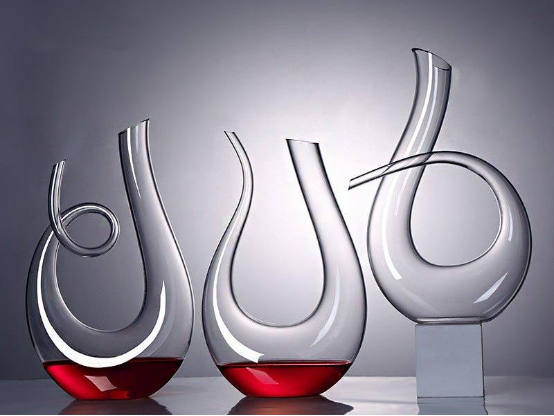
I. What is a Wine Decanter? An elegant and traditional wine decanter.
A wine decanter is a glass container used to separate sediment and allow wine to be exposed to air for an extended period. It typically has a long, narrow neck and a wide belly, allowing the wine to have a larger surface area in contact with air after being poured, thus promoting the oxidation process.
1. Its core functions:
- Mild and continuous oxidation
increases the surface area of the wine in the decanter, allowing it to gradually release aromas and soften tannins over tens of minutes to hours. - .For aged wines or unfiltered wines, decanting helps prevent sediment from affecting the taste .
2. More suitable wines:
- Aged red wine (10 years or more)
- High tannin varieties
- Complex, heavily structured wines
3. User experience:
Wine decanter emphasizes the “ritual of slow aeration,” making it ideal for formal occasions, family dinners, or when you want to fully showcase the wine’s layers.
II. What is a Wine Aerator? A modern tool for quickly enhancing aroma.
A wine aerator is more like an instant oxidation tool. It is usually designed as a small device that uses a physical structure to allow the wine to mix with air the moment it is poured, achieving an “instant aeration” effect.
1. Its core functions:
- The rapid oxygen mixing
aerator’s internal drainage holes or spiral tubes allow the wine to come into extensive contact with air within seconds. - .Compared to a wine decanter, an aerator typically only takes a few seconds to achieve a similar decanting effect, reducing waiting time .
2. More suitable wines:
- Young red wine (strong tannins but the complex structure is not fully developed)
- Everyday wine
- In situations where a long decanting period is not required (such as parties or when multiple people are taking turns drinking).
3. User experience:
time andIt emphasizes efficiency, portability, and instant flavor enhancement. It is perfect for users who don’t want to wait for decanting time, and is especially suitable for parties, restaurants, or personal daily drinking.
III. Comparison of the core differences between wine decanter and wine aerator
The following table summarizes the main differences between the two:
| Comparison items | Wine Decanter | Wine Aerator |
| Working principle | Extensive contact with air leads to slow oxidation. | Porous structure instantly mixes air |
| Sobering up speed | Slow, takes 20–120 minutes | Fast, immediate effect |
| Suitable wines | Aged wines, high-tannin wines, complex wines | Young wines, everyday wines, wines that need a quick improvement in taste. |
| Can the precipitate be separated? | Yes (traditional decanting function) | Unable to separate the precipitate |
| Flavor presentation | Multi-layered, gentle, and gradual changes | The aroma develops quickly, but its variations are limited. |
| Use cases | Formal dinners, leisurely sipping, and collectible wines | Parties, shared spaces, restaurants, travel |
| sense of ritual | high | lower |
In summary, Decanter emphasizes “complete experience and presentation,” while Aerator emphasizes “efficiency and convenience.”
IV. What are the differences in flavor profile between the two? (In-depth analysis)
1. Different aroma release mechanisms
- Decanter: Due to its large contact area, the aroma is released layer by layer, from fruity to floral to oak and even aged aromas, presenting a relatively complete evolution process.
- Aerator: More like “quickly awakening aromas”, making the initial fruit aromas of the wine easier to perceive, but lacking the complexity of unfolding layer by layer.
2. Different degrees of tannin softening
- Decanter: The tannins soften more evenly and naturally, thus having a significant effect on wines with high tannins.
- Aerator: While it can alleviate the “astringency”, its effect is more like improving the smoothness of the mouthfeel rather than completely changing the structure.
3. Differences in flavor stability
- “over-awaken.”Decanter: The wine will change continuously over 1–2 hours, and if it takes too long, it may “over-awaken”.
- Aerator: Flavor changes are relatively stable, and it will not continue to oxidize rapidly after decanting.
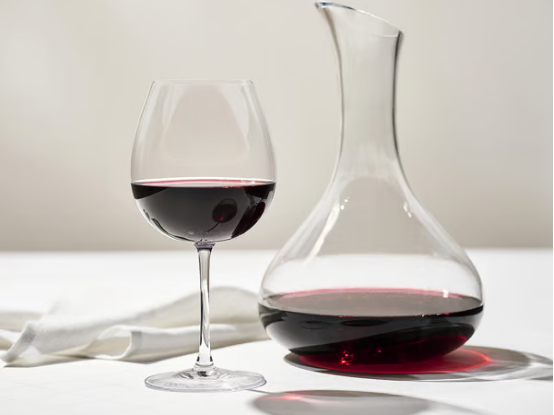
V. When should a wine decanter be used? These are the most suitable occasions.
Scenario 1: You are enjoying a vintage wine
Aged wines often have sediment, so a wine decanter is needed to separate the sediment to avoid affecting the taste.
Scenario 2: You want to experience the complete flavor evolution.
From rich fruity aromas to elegant aged notes, every step is worth savoring.
Scenario 3: You are hosting a formal dinner party
Wine decanter enhances aesthetics and serves as a ceremonial table setting.
Scenario 4: You are drinking a high-tannin red wine
Cabernet, Nebbiolo, or Malbec become noticeably softer in decanter.
VI. When should you use Wine Aerator? Aerator is more useful in these situations.
Scenario 1: A drinking moment with limited time
For example, quick meals, unexpected guests, or gatherings.
Scenario 2: You are drinking young red wine
Young wines typically have strong tannins but their structure is not fully developed; an aerator can quickly improve their palate.
Scenario 3: Sharing a bottle of wine with multiple people
At parties or restaurants, everyone can get a “sobering effect” immediately after pouring their own wine, without having to wait.
Scenario 4: Portability requirement
Aerators are more suitable for travel, picnics, and outdoor occasions.
7. Can a wine decanter and a wine aerator be used together?
- The answer is: Yes, but it depends on the situation.
- For young wines: The combination of aerator and decanter can enhance the aeration effect.
Steps: first pass the wine through the aerator, then pour it into the wine decanter to allow the flavors to develop further. - For aged wines: It is not recommended to use them at the same time.
Aged wines need to be decanted gently, as the “rapid oxygenation” of the aerator may ruin the flavor.
8. How to make choices based on personal habits and budget?
1. You are suited to wine decanter if you:
- I enjoy savoring red wine slowly.
- Regularly drink high-end or aged wines
- I enjoy the ritual of setting the dining table.
- For those seeking a complete aroma and layered evolution
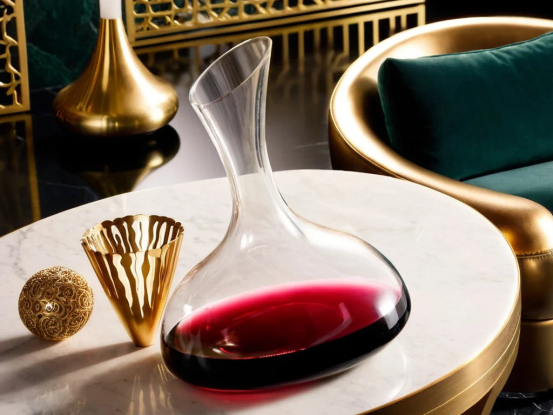
, we recommend this wine decanter: a mid-to-high-end glass or crystal wine decanter .
2. You are a good fit for a wine aerator if you:
- Prefers quick drinking and doesn’t want to wait
- Most drink young red wine or everyday wine.
- Recommended for frequent parties, gatherings, or travel : portable handheld aerator or bottle-top aerator.
IX. Final Conclusion: Which is more worthwhile to own: a wine decanter or a wine aerator?
If you are a wine enthusiast or occasionally drink aged/expensive wines:
→ Buy a wine decanter first.
If you are a frequent drinker of young wines and usually drink at a fast pace:
→ Buy a wine aerator first.
For those who drink frequently and want to enhance their overall experience, having both is the best option:
The aerator is responsible for efficiency.
Wine decanter is responsible for depth and elegance.
Both of these methods of decanting a hangover have their advantages and can complement each other in different situations.