How to avoid waste when using a wine decanter: A guide to efficient wine pouring techniques

For many wine enthusiasts, the wine decanter plays a vital role in their daily drinking experience. Whether it’s separating sediment, enhancing aromas, or smoothing the wine, proper use of a decanter can significantly improve the drinking experience. However, improper use can lead to flavor loss, sediment mixing into the wine, and other unnecessary waste. This article will provide a practical guide on how to use a wine decanter efficiently while avoiding common pitfalls.
a wineTable of Contents
a wineWhy is it so important to use wine decanter correctly?
1. Remove sediment to make the wine purer.
Many older red wines naturally develop sediment at the bottom of the bottle, including tannin compounds, pigment molecules, and even trace amounts of cork. Pouring this directly into a glass can disrupt the texture and make the taste rough. Using a decanter allows you to separate the clear liquid during pouring, resulting in a cleaner overall taste.
2. Adequate ventilation to promote the opening of the wine.
Placing wine in a wine decanter increases its surface area exposed to air, allowing the wine to release its aromas more quickly and softening its tannins. This is especially effective for many structured, tight-bodied young red wines. After a short period of aeration, the flavors usually become softer and the aromas more complex.
3. Enhance the overall drinking experience
Once the sediment is removed and the aromas are fully released, the wine presented in the glass will be more harmonious and refined. The purpose of using a decanter correctly is not a formal “decanting process,” but rather to bring the wine to a more balanced critical point.
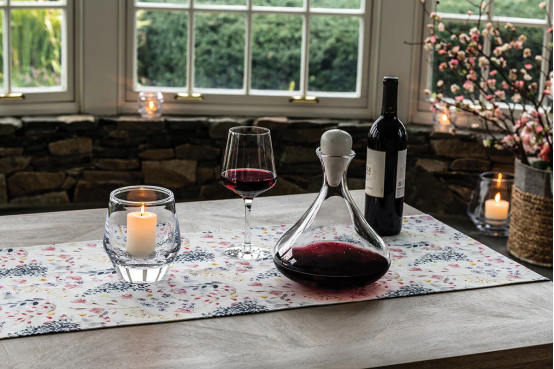
Efficient Wine Pouring: Key Techniques for Using a Wine Decanter
To avoid wasting flavor due to improper handling, the following steps are particularly important.
1. Let the bottle stand before pouring to allow the sediment to settle.
If you’re preparing to open an older bottle of wine or one with noticeable sediment, it’s recommended to keep the bottle upright for at least several hours, or even overnight, before opening. This allows the sediment to settle more steadily to the bottom of the bottle, making it easier to pour the wine into the wine decanter with pure liquid.
2. Ensure the wine decanter is clean and odor-free.
A clean, odor-free wine decanter is essential for ensuring the purity of the wine. Many experts recommend using only warm water for cleaning, avoiding products containing soap or strong detergents, as these may leave residual aromas or chemicals that can interfere with the wine’s aroma structure.
If you are using a decanter with a narrow neck or a wide bottom, you should pay more attention to details when cleaning. You can use cleaning beads or special brushes to keep the inside of the decanter clean.
3. Master the appropriate pouring angle and speed.
environment andWhen pouring wine, the movements should be steady, slow, and gentle. It is recommended to do this in a well-lit environment, and to allow the wine to slide down the inside of the decanter as much as possible to minimize disturbance. This will better maintain the clarity of the wine and prevent sediment from being stirred up.
When you observe sediment approaching the neck of the bottle, stop pouring immediately and leave the remaining wine in the bottle to prevent sediment from flowing into the wine decanter.
4. Use a filtration tool if there is severe sedimentation.
For wines with excessive sediment or older vintages, a filtration process can be added between the bottle and the wine decanter, such as using a fine-mesh funnel or a pourer with a sieve. This method is very effective, significantly reducing the risk of sediment flowing into the decanter, and is especially helpful for inexperienced beginners.
5. Adjust the decanting time according to the wine; do not use a one-size-fits-all approach.
Different wines require significantly different decanting times in a wine decanter. The following are general guidelines:
• Powerful young red wine (New World, full-bodied tannins)
Decanting time can be between 1 and 3 hours, allowing the aromas and body of the wine to open up more quickly.
Medium-bodied or older red wines
It usually only takes 30–60 minutes. For aged wines, excessive aeration often leads to the loss of aromas and makes the originally delicate flavors become weak.
White wine, rosé wine, sparkling wine
decanter soThese types of wines are generally not recommended to be decanted for a long time, and there is no need to use a wine decanter, so as not to destroy the finesse of the aroma.
taste andThe safest method is to first pour a small amount to taste, and then decide whether to extend the decanting time based on the effect of the drink.
6. Avoid excessive ventilation to prevent flavor loss.
a wineAlthough wine decanter can promote aeration, excessive oxidation can also lead to the gradual loss of aroma and flavor. This is especially true for aged wines or aromatic varieties, whose delicate aromas often decline significantly after prolonged oxidation.
Therefore, the ideal practice is to start decanting just before you’re ready to drink it, rather than pouring it into a decanter and letting it sit for hours in advance.
On7. In formal occasions, the “double decanting method” can be used.
breathe andDouble decanting refers to first pouring the wine into a decanter to allow it to breathe, and then pouring it back into the original bottle when it is in better condition. This method not only allows for better aeration but also allows the original bottle to continue its “presentation” function, making it suitable for parties or formal dinners.
8. Cleaning and maintenance after use should not be neglected.
After each use of the decanter, wash it immediately with warm water and allow it to air dry to prevent bacterial growth and the accumulation of water or wine stains. If the decanter has a complex structure, use a specialized cleaning tool to ensure that the flavor of the wine is not affected during the next use.

Common mistakes when using the wine decanter: These operations are most likely to cause waste.
To maximize the value of the wine decanter, the following incorrect operations should be avoided:
1. Mistakenly believing that all wines need decanting.
Not all wines are suitable for decanting. Some light white wines, rosés, and sparkling wines may actually lose their vibrancy when decanted.
2. Pouring wine too quickly
Pouring wine quickly can stir up the sediment, making the wine cloudy and unpleasant to drink.
3. Excessive sobering time
When wine is exposed to air for too long, aromatic substances will continue to evaporate, causing the flavor to fade.
4. Improper cleaning methods
Using scented cleaners, not cleaning thoroughly, or using a dishwasher can all leave an unpleasant odor in the decanter, affecting the purity of the next bottle of wine.
Summary: How to use a wine decanter efficiently without wasting resources?
To ensure that every bottle of wine is handled properly and brings out its best, the following points can be followed:
- Let the bottle stand to allow the sediment to stabilize.
- Use a clean, odorless wine decanter.
- Pour the wine steadily and slowly, and observe the sediment under light.
- Use a filter if necessary to prevent sediment from flowing into the decanter.
- Adjust the decanting time according to the wine variety and vintage.
- Avoid excessive ventilation, especially for aged wines and aromatic wines.
- Double-decant can be used in formal settings.
- Clean and maintain the decanter to avoid affecting the next bottle of wine.
The purpose of using a decanter correctly is not to rigidly follow a process but to present each bottle of wine in its appropriate state. By understanding the needs of different wines and being careful during pouring and decanting, you can maximize the value of a wine decanter while avoiding any unnecessary waste.